Hockey Goalie Sticks Snowflake SVG Review
As a professional embroidery designer who spends countless hours digitizing and testing files for commercial production, I approach every new graphic with a specific question: will this actually stitch out cleanly on real fabric? When evaluating the Hockey Goalie Sticks Snowflake SVG, my assessment goes far beyond the screen preview. For crafters, Etsy sellers, and apparel decorators, understanding how this digital asset translates into a physical embroidered patch or sweatshirt design is critical for maintaining product quality and customer satisfaction. This review breaks down the practical application of this winter sport graphic from the perspective of someone who needs it to perform in a production environment.
First Impressions and Design Aesthetic
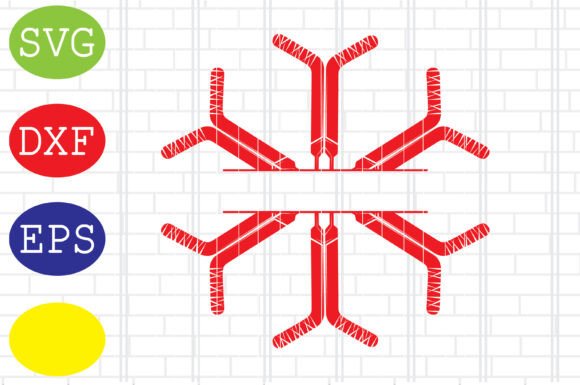
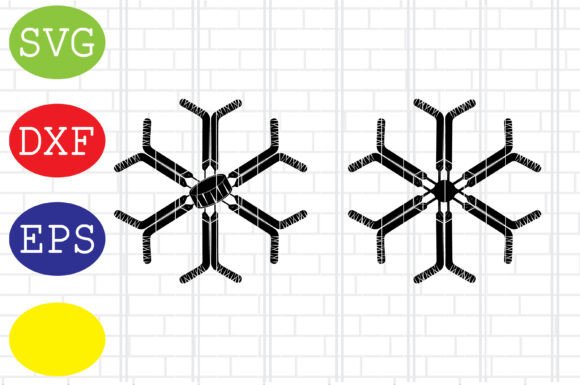
The visual personality of this design strikes a balance between athletic grit and seasonal whimsy. The combination of goalie sticks and snowflakes creates an immediate narrative that appeals to hockey families, team moms, and winter sports enthusiasts. From a design standpoint, the layout appears balanced enough to serve as a standalone motif without requiring excessive additional text or embellishments. For a handmade product or boutique branding project, this duality is valuable. It avoids looking like generic clip art and instead feels like a cohesive illustration intended for merchandise.
However, as with any graphics file converted for needlework, the initial impression must be tempered with technical scrutiny. The intersection of the sticks and the intricate arms of the snowflakes presents potential challenges for stitch pathing. In my experience reviewing similar machine embroidery design assets, areas where linear elements cross over detailed radial patterns can sometimes result in puckering or registration issues if the underlying digitizing isn't optimized for fabric stability. The mood is perfect for holiday embroidery or team gear, but the execution requires careful planning regarding stabilizer choice and hoop size selection.
Real-World Application: The Custom Sweatshirt Test
To truly evaluate this file, I mentally placed it in a real-life scenario: creating a custom embroidered sweatshirt for a youth hockey tournament. This is a common request for small shop owners and personalized gift creators during the winter season. Sweatshirts are typically made of fleece or French terry, fabrics that have stretch and texture which can distort fine details.
In this context, the Hockey Goalie Sticks Snowflake SVG would likely serve as a left-chest logo or a centered back print. If using the SVG or EPS file for vinyl cutting, the design offers clean lines suitable for heat transfer. However, for embroidery, the complexity of the snowflake details against the textured fabric demands attention. A satin stitch might work beautifully for the shafts of the goalie sticks, providing a smooth, raised texture that mimics the equipment. Conversely, the snowflake elements might require a running stitch or a lighter fill stitch to prevent the design from becoming too dense and stiff on a garment meant for comfort.
For this specific project, I would advise testing the embroidery file on a scrap piece of identical fleece before committing to the final garment. Checking thread colors against the fabric background is equally vital; white snowflakes on a light grey sweatshirt may lack definition, whereas high-contrast navy or black thread would make the graphic pop. This level of foresight distinguishes a professional finished product from a hobbyist attempt and directly impacts buyer engagement and trust.
Navigating Fabric Limitations and Placement
While this design is versatile, there are specific environments where caution is necessary. Small hoop sizes are the first constraint. If you are attempting to fit this design onto a baby onesie sleeve or a standard baseball cap, the reduction in scale could cause the snowflake details to merge. Tiny lettering or thin connecting lines often disappear or break when scaled down below three inches. Always confirm the minimum recommended size within your embroidery software before resizing.
Stretchy fabrics and curved surfaces also present hurdles. If you are producing custom apparel like beanies or caps, the curvature can distort the symmetry of the snowflake. Using a proper stabilizer, such as tear-away for caps or cut-away for stretchy knits, is non-negotiable to maintain the integrity of the shape. Additionally, consider the end-use of the item. Products requiring frequent washing, such as kitchen towels or baby bibs, need secure edge finishing. If the design relies on delicate decorative accents, ensure those elements are anchored properly to withstand laundering without fraying.
Commercial Viability for Makers and Sellers
For Etsy sellers and creative entrepreneurs, the value of this asset extends beyond a single project. The inclusion of multiple file formats—SVG, DXF, JPG, and EPS—in the zip file provides flexibility across different production methods. The SVG and DXF files are essential for crafters using cutting machines for vinyl tote bag designs or printable mockups, while the EPS serves professional designers needing scalable vectors for commercial embroidery digitizing.
This versatility supports brand consistency across various product lines. You could use the same visual theme for a set of holiday gifts, matching team patches, and digital product previews. However, a crucial reminder for all small business owners: always verify the licensing terms included in the download. Confirm whether you have permission to sell finished products, digital embroidery files, or both. Protecting your business means respecting intellectual property and ensuring your usage aligns with the creator's stipulations.
Essential Designer Notes for Success
Before loading this design into your machine or cutting plotter, run through this practical checklist derived from years of production experience:
- Test Stitch First: Never assume a digital file is production-ready without a physical test. Stitch density and fabric interaction vary wildly between materials.
- Check Contrast: View the design in black and white on your computer screen to simulate low-contrast thread scenarios. Ensure the goalie sticks and snowflakes remain distinct.
- Evaluate Density: If the design feels overly dense in your software, consider removing underlay stitches in open areas to reduce bulk, especially for baby embroidery or lightweight garments.
- Mockup Verification: Use the included JPG or create your own printable mockup to visualize placement. This helps avoid costly mistakes on expensive blank apparel.
- Stabilizer Matching: Pair the stabilizer weight to the fabric texture, not just the design size. Heavy designs on light fabric require heavier support.
- File Integrity: Since you receive a zip file, extract all contents immediately and organize them. Corrupt transfers can happen, so verify all four formats open correctly before starting a rush order.
Final Thoughts on Production Value
The Hockey Goalie Sticks Snowflake SVG holds significant potential for winter-themed collections, provided it is treated with technical respect. Its appeal lies in its niche specificity, making it highly marketable for targeted audiences like hockey parents and winter sports fans. Whether you are creating a personalized gift for a goalie or stocking your shop with seasonal merchandise, success depends on adapting the digital asset to the physical realities of your chosen medium.
Remember that a beautiful screen image does not guarantee a beautiful stitch-out. By prioritizing testing, understanding fabric behavior, and respecting the technical limitations of scale and density, you transform a simple graphics file into a premium handmade product. This disciplined approach builds customer trust, reduces waste, and elevates the perceived value of your craft business. Always let the practical requirements of the embroidery project guide your creative decisions, ensuring that every finished item reflects professional quality and thoughtful design.