Distressed Hockey Goalie Helmet Svg Review
As a designer who spends more time behind an embroidery machine than a computer screen, I approach every new graphic with a specific question: will this actually stitch out well? When evaluating the Distressed Hockey Goalie Helmet Svg, my focus shifts immediately from digital aesthetics to physical execution. This isn't just another winter sport graphic; it is a design asset that carries a specific mood of grit and nostalgia. For craft business owners and Etsy sellers, understanding how this distressed style translates into thread is the difference between a product that looks amateur and one that commands a premium price.
Capturing Grit Without Thread Breaks
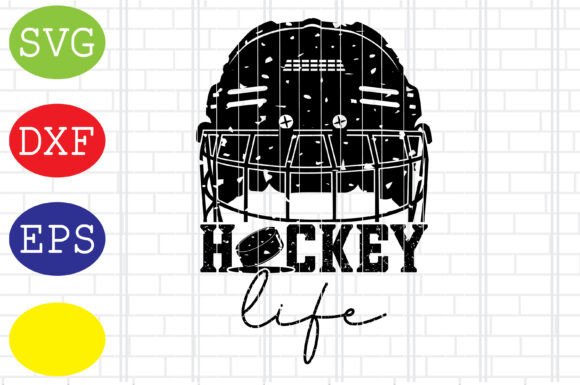
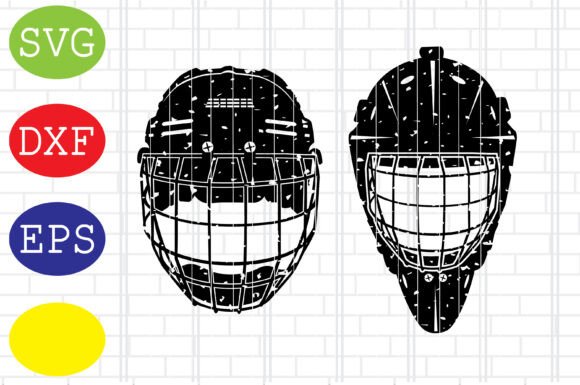
The first impression of this machine embroidery design is its character. Unlike clean, modern vector art, a distressed aesthetic implies texture, wear, and history. In the realm of Graphics for Crafts, this style is incredibly popular right now because it pairs perfectly with vintage-inspired merchandise. However, as an embroiderer, I know that "distressed" can sometimes mean "nightmare" if the digitizing isn't handled correctly. The visual personality here suggests a rugged, old-school hockey vibe that feels authentic rather than manufactured.
When I look at this design, I see immediate potential for custom apparel. It doesn't scream for bright, neon polyester; instead, it begs for heather grey sweatshirts, washed denim jackets, or cream-colored canvas tote bags. The layout likely balances negative space with detailed elements to create that worn look without compromising structural integrity. For a handmade product, this emotional connection is vital. Customers aren't just buying a helmet icon; they are buying the feeling of a cold rink and a hard-fought game. As a reviewer, I appreciate when a design evokes that feeling before a single needle penetrates fabric.
Real-World Application: The Vintage Sweatshirt Test
To truly evaluate this embroidery file, we have to move beyond the screen. Let’s consider a real-life scenario relevant to many small shop owners: creating a unisex vintage-wash sweatshirt for a holiday collection. This is a high-stakes embroidery project because the garment itself has value, and you cannot afford a stitch-out failure.
In this context, the Distressed Hockey Goalie Helmet Svg serves as the centerpiece. If I were stitching this, I would be looking closely at how the distressing is rendered. Is it achieved through complex fill stitches with intentional gaps, or is it a layered applique design? For a sweatshirt, which has a thick fleece backing, clarity is paramount. If the distressed elements rely on tiny running stitches, they might get lost in the fabric pile. A successful stitch-out on fleece requires confident satin stitches or textured fill stitches that sit on top of the nap rather than sinking into it.
I recently worked on a similar winter sport svg project where the goal was a retro locker room aesthetic. We used this type of distressed helmet motif on the back of a heavyweight hoodie. The key to success was treating the distress marks as deliberate design elements rather than errors. By using a slightly thicker thread weight and adjusting the tension, the "worn" parts of the helmet looked intentional and artistic. This level of detail elevates a simple sweatshirt embroidery job into a boutique-quality garment that customers trust enough to buy at a higher price point.
Navigating Fabric Challenges and Hoop Limitations
While this design shines on stable fabrics, it requires careful consideration when applied to difficult substrates. As an experienced reviewer, I must warn against using intricate distressed designs on highly stretchy performance wear without significant modification. The tension required to render fine distressed details can cause puckering on thin, elastic fabrics. If you plan to use this for baby embroidery on onesies or lightweight tees, test the stitch density first. Heavy distressing often equates to variable density, which can pull unevenly on delicate knits.
Furthermore, consider your hoop size. Distressed graphics often rely on scale to be legible. Shrinking this goalie helmet down to a 2x2 inch pocket logo might result in a muddy blob where the distinct scratches and chips merge together. Always check the minimum recommended size for any digital embroidery file. If you need a smaller version for a cap or sleeve, verify that the designer has provided a specifically resized variation rather than expecting you to shrink the master file. Caps present their own challenge due to curvature; flat distressed textures can distort around the brim seam, so placement testing is non-negotiable.
For items like kitchen towels or aprons, which face frequent washing, ensure the distressed areas are locked down properly. Loose threads meant to simulate wear should still be secured with adequate tie-offs. Nothing destroys customer trust faster than a finished product that unravels after three wash cycles. In these cases, I often recommend using a water-soluble topping to keep the stitches crisp and prevent the textured fabric from interfering with the design's intended roughness.
Elevating Brand Value Through Technical Precision
Your choice of design assets directly impacts your brand's perceived professionalism. Using the Distressed Hockey Goalie Helmet Svg effectively signals to buyers that you understand current trends while maintaining technical competence. Whether you are selling printable mockups to other designers or finished embroidered goods, consistency matters. A jagged, poorly registered distressed effect looks cheap. A clean, well-digitized distressed effect looks artisanal.
This versatility extends to various niches. Beyond apparel, this graphic works beautifully for personalized gift items like man cave decor, framed nursery art for future athletes, or custom patches for local leagues. For Etsy seller success, photographing the texture of the embroidery is crucial. Show the close-ups. Let the buyer see how the thread interacts with the distressed pattern. This transparency builds confidence and reduces returns. When listing this item, clearly communicate whether the distressing is stitched or printed, as this manages expectations regarding the tactile feel of the commercial embroidery piece.
Essential Pre-Stitch Checklist for Makers
Before you load this file into your machine or list it in your shop, run through this practical checklist derived from professional experience:
- Verify File Integrity: The download includes SVG, DXF, JPG, and EPS files. Ensure you open the correct format for your software or cutter. Remember, these are source graphics; confirm you have the appropriate digitized embroidery file format (like PES, DST, or JEF) compatible with your specific machine before attempting to stitch.
- Contrast Testing: Distressed designs rely heavily on shadow and highlight. Test the design on both black and white fabric scraps. A design that pops on white might disappear on navy blue due to low contrast in the distress marks.
- Stabilizer Selection: Do not skimp here. For a textured helmet design, use a stabilizer that matches the weight of your garment. Cut-away is generally safer for knit apparel to prevent distortion of the distressed lines over time.
- Mockup Validation: Before committing to a full production run for your craft business, create digital and physical mockups. Check if the helmet shape reads clearly from a distance of five feet. If it looks cluttered up close but clear from afar, adjust your marketing photography accordingly.
- Licensing Confirmation: Always review the specific license terms included with your zip file. Confirm whether you are permitted to sell physical embroidered products, digital files, or both. Protecting your business means respecting intellectual property rights.
- Thread Color Mapping: Distressed styles often benefit from tonal variation. Instead of a single solid red for the helmet, consider using two shades of red to enhance the depth of the distressing. This subtle touch makes design assets feel custom and high-end.
Ultimately, the Distressed Hockey Goalie Helmet Svg is a powerful tool for makers who want to capture the spirit of winter sports with an authentic, vintage edge. By approaching it with a critical eye toward stitch mechanics and fabric compatibility, you transform a simple digital graphic into a tangible, sellable asset that resonates with hockey fans and fashion enthusiasts alike. Treat the distressing as a feature, not a flaw, and your embroidery will reflect that same level of thoughtful craftsmanship.