Hockey Stick Snowflake SVG: An Embroidery Review
First Impressions: Merging Winter Charm with Athletic Edge
When evaluating a new machine embroidery design for my shop, I look for more than just a cute concept; I need a file that translates beautifully from screen to fabric. The Hockey Stick Snowflake SVG immediately caught my attention because it bridges two distinct niches: traditional winter aesthetics and competitive sports culture. As a designer who frequently creates custom gear for local teams and holiday-themed merchandise, this hybrid motif offers a unique solution for clients who want seasonal spirit without sacrificing their athletic identity.
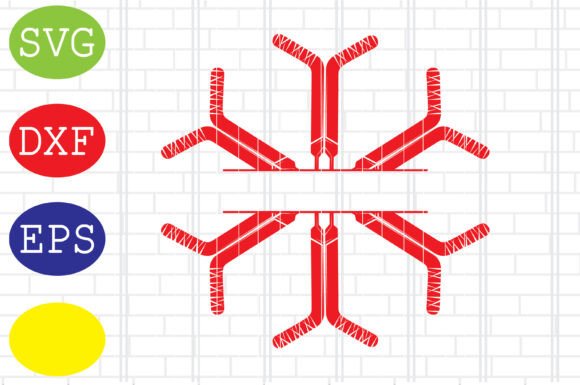
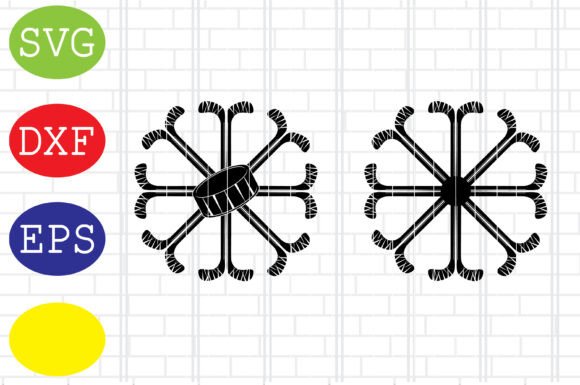
The visual personality of this graphic strikes a balance between playful and structured. Unlike generic snowflakes that can sometimes feel too delicate for sportswear, the integration of hockey sticks adds weight and symmetry to the layout. For those of us in the Crafts industry, finding Graphics that serve dual purposes is essential for maximizing inventory efficiency. My initial assessment suggests this design has strong potential for both youth apparel and adult fan gear, provided the digitizing supports the intended application.
Real-World Application: Stitching Out a Team Holiday Sweatshirt
To truly test the viability of the Hockey Stick Snowflake SVG, I approached it with a specific project in mind: a custom embroidered sweatshirt for a high school hockey team’s holiday party. This scenario is common for Etsy sellers and small shop product creators during the fourth quarter. The goal was to create a personalized gift that felt festive yet appropriate for athletes to wear outside of formal events.
In this context, the design serves as an excellent centerpiece for sweatshirt embroidery. The symmetrical nature of the snowflake shape allows for easy centering on fleece or cotton blends, while the hockey stick elements provide natural anchor points for adding team names or player numbers below. When planning this embroidery project, I considered how the design would interact with the textured surface of heavyweight fleece. A solid fill stitch might get lost in the nap, so this graphic likely performs best when utilizing a combination of satin borders and open fill areas to maintain definition against the fabric texture.
For commercial embroidery businesses, this versatility is key. You aren't just selling a winter icon; you are selling team pride packaged in seasonal relevance. Whether applied to a tote bag design for equipment transport or a holiday embroidery accent on a coach’s jacket, the theme resonates emotionally with buyers, which directly supports higher perceived value and customer satisfaction.
Navigating Fabric Choices and Technical Constraints
While the Hockey Stick Snowflake SVG is visually appealing, practical execution requires careful consideration of materials. Not every digital embroidery file behaves identically across different substrates, and this design is no exception. Based on the geometry typical of stick-and-snowflake hybrids, here are critical technical factors to review before hooping your final product.
- Stretchy Fabrics: If applying this to performance wear or lightweight jersey knits, the intersecting lines of the hockey sticks can cause tunneling if the stitch density is too high. Always use appropriate cutaway stabilizer to prevent distortion.
- Small Hoop Sizes: Scaling down intricate details is risky. Before attempting a 4x4 version, verify that the stick blades and snowflake tips remain distinct. Loss of detail in small formats can make the design look muddy rather than crisp.
- Curved Surfaces: Placing this on caps or curved sleeves requires testing. The rigid geometry of hockey sticks may not drape naturally over a structured cap front unless the design has been specifically digitized for curvature.
- Dark vs. Light Fabrics: Test thread colors against your target background. White thread on dark navy shows high contrast but may require extra underlay to prevent the fabric color from bleeding through the stitches.
For baby embroidery items like onesies or bibs, ensure the design lacks sharp, dense edges that could irritate sensitive skin. In these cases, verifying whether the file includes a soft-edge variation or adjusting the pull compensation manually is a necessary step for professional results.
File Formats and Workflow Integration
The product package includes SVG, DXF, JPG, and EPS files within a single Zip archive. Understanding how to leverage each format is crucial for a streamlined workflow. While the description provides these vector and raster options, it is vital to confirm compatibility with your specific embroidery software or cutting machine before purchase.
The SVG and EPS files are particularly valuable for creating printable mockups. Before committing to stitching, I often import the vector art into design software to visualize placement on digital templates. This step saves time and thread by allowing me to present options to clients for approval first. For craft business owners who sell both physical goods and design assets, having clean vector source files enables the creation of matching vinyl decals or sublimation prints, expanding your product line beyond just needlework.
However, please note that vector files are not always direct-to-machine embroidery formats. Unless explicitly stated otherwise, you may need to convert or digitize the SVG/DXF into a machine-specific format (like PES, DST, or JEF) using embroidery software. Always check the file contents and licensing terms regarding finished product sales versus digital redistribution to protect your business legally.
Designer Notes for Professional Results
Achieving a boutique-quality finish with the Hockey Stick Snowflake SVG goes beyond simply loading the file. Here are my practical recommendations for ensuring this design meets the standards expected by discerning customers and fellow makers.
- Always Test First: Never stitch directly onto a client’s garment without a run-out on similar scrap fabric. Check for registration issues where the stick handles meet the snowflake center.
- Evaluate Stitch Type: Determine if the design relies heavily on satin stitch or fill stitch. Satin stitches offer a classic, raised look ideal for patches and towels, while fill stitches cover larger areas faster on sweatshirts. Adjust based on your desired aesthetic and production speed.
- Check Licensing: Confirm whether your purchase allows for unlimited commercial use of the embroidered patch or finished apparel. Understanding these rights is non-negotiable for Etsy sellers and shop owners.
- Mockup in Black and White: Viewing the design in grayscale helps identify density issues that color might hide. If the design looks cluttered in monochrome, it will likely stitch poorly regardless of thread color choices.
- Consider Applique Potential: If the design outlines are bold, consider converting sections to an applique design. Using fabric for the main body of the snowflake reduces stitch count significantly and adds a premium, tactile element that elevates the handmade product value.
Final Verdict on Versatility and Value
The Hockey Stick Snowflake SVG represents a smart addition to any winter-themed design library. Its strength lies in its niche specificity; it solves a problem for customers who find standard holiday decor too soft and standard sports logos too aggressive for festive occasions. For apparel decorators and creative entrepreneurs, this design offers a pathway to create meaningful, seasonally relevant merchandise that stands out in a crowded market.
Success with this file depends entirely on preparation. By respecting fabric limitations, verifying file compatibility, and conducting thorough test stitches, you can transform this digital asset into a profitable custom apparel line or a cherished holiday gift. Whether you are producing bulk team orders or singular artisan pieces, treating this design with professional scrutiny ensures the final result honors both the craft of embroidery and the spirit of the game.