Candy Cane Hockey Goalie Sticks Svg Review
As a designer who spends more time behind an embroidery machine than a computer screen, I approach every new graphic with a specific question: will this actually stitch out cleanly on real fabric? When I first opened the Candy Cane Hockey Goalie Sticks Svg, I wasn't just looking at a festive digital asset; I was evaluating it as a potential bestseller for the upcoming winter season. This design sits at the intersection of two passionate niches—ice hockey enthusiasts and holiday crafters—and getting the execution right is critical for any handmade product or custom apparel line.
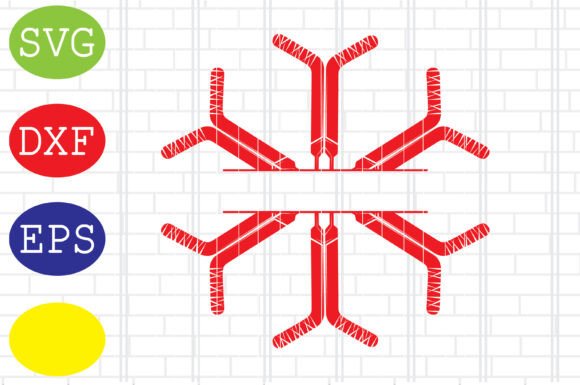
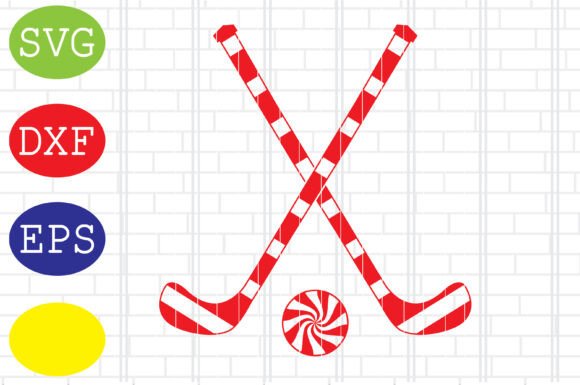
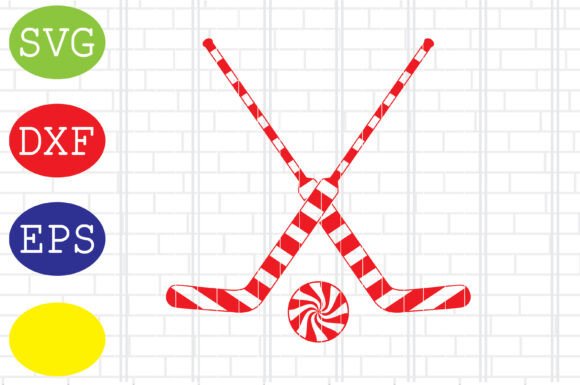
The initial impression of this machine embroidery design is one of playful nostalgia. The fusion of traditional goalie sticks with candy cane stripes creates an immediate visual hook that feels appropriate for both youth sports teams and holiday boutique collections. However, translating those crisp vector lines into thread requires careful consideration of stitch density and fabric choice. As someone who has produced hundreds of sweatshirt embroidery projects and tote bag design items, I can see exactly where this graphic shines and where it demands caution during production.
Real-World Application: The Holiday Team Gift Project
To truly evaluate this embroidery file, I mentally placed it into a recent client scenario: creating personalized holiday duffel bags for a local peewee hockey team. The goal was to merge team spirit with seasonal cheer without looking juvenile. The Candy Cane Hockey Goalie Sticks Svg offered the perfect silhouette for this personalized gift. The crossed sticks provide a natural frame for adding player names or numbers below, making it an ideal layout for commercial embroidery batches.
In this context, the design’s balance is its strongest asset. For a tote bag design or duffel placement, the center chest or front pocket area requires a graphic that doesn't distort when the bag is stuffed. The symmetrical nature of the goalie sticks ensures the design remains visually stable even on flexible canvas materials. If you are an Etsy seller or small shop owner planning similar team orders, this layout reduces the risk of alignment issues during high-volume stitching. The festive striping also allows for creative thread colors; swapping traditional red and white for team colors can instantly customize the finished product while keeping the holiday structure intact.
Fabric Compatibility and Stabilizer Strategy
Not all graphics behave the same way across different textiles. When testing this design conceptually against various substrates, distinct performance patterns emerge. For baby embroidery items like onesies or bibs, the design must be resized carefully. Goalie sticks have thin handles that can become fragile if scaled down too aggressively. On lightweight cotton knits used for infant wear, I would recommend using a cutaway stabilizer to prevent the fabric from puckering around the detailed curves of the candy cane pattern.
Conversely, for heavier items like aprons or kitchen towels intended as holiday embroidery gifts, the design holds up beautifully. The tighter weave of terry cloth or canvas supports higher stitch density without distortion. However, if you plan to use this as an applique design, pay close attention to the tack-down stitches. The curved edges of the sticks require smooth satin columns to prevent fraying. Always test your hoop size selection before committing to the final garment; a hoop that is too large can lead to registration errors in the fine details of the stick blades.
Navigating Technical Challenges in Small Details
Every experienced maker knows that what looks simple on screen can be complex under the needle. The Candy Cane Hockey Goalie Sticks Svg presents specific technical considerations for craft business owners. The intersection where the sticks cross is a potential danger zone for thread buildup. If the digital embroidery file hasn't been optimized for reduced jumps or proper layering, this area could become stiff or cause needle breaks on thinner fabrics.
I strongly advise checking the embroidery project preview in your software before stitching. Look specifically at the transition points between the straight shafts and the curved blades. If you are working with stretchy performance fabrics common in hockey gear, use a fusible mesh backing to maintain stability. For small shop product lines featuring caps or beanies, remember that curved surfaces compress designs horizontally. You may need to slightly widen the aspect ratio in your digitizing software to compensate for the cap's curvature, ensuring the goalie sticks don't appear squeezed in the final embroidered patch or direct stitch application.
Commercial Viability and Brand Presentation
Beyond the technical stitch-out, we must consider marketability. For Etsy sellers and creative entrepreneurs, this design offers excellent versatility. It bridges the gap between niche sports merchandise and broad seasonal decor. A printable mockup featuring this design on a cream-colored sweatshirt conveys warmth and quality, significantly boosting buyer engagement compared to generic clip art. The specificity of "goalie" sticks rather than generic field hockey sticks adds authenticity that serious hockey families appreciate.
When listing design assets or finished goods, transparency builds trust. Clearly state which file formats are included. This package provides SVG, DXF, JPG, and EPS files, which covers most cutting machines and professional digitizing software. However, always verify licensing terms before selling. Confirm whether the license permits commercial embroidery on physical products versus selling the digital files themselves. Professionalism in licensing protects your business and respects the original creator. For digital product sellers, providing accurate color charts and suggested fabric pairings in your listing description can reduce customer service inquiries and increase satisfaction.
Essential Pre-Stitch Checklist for Makers
Before loading this design into your machine for a paid order or personal keepsake, run through this practical validation list. These steps separate hobbyist results from professional-grade custom apparel:
- Test on Scrap Fabric: Never stitch the final version first. Use a scrap of the exact material and stabilizer combination intended for the project to check tension and coverage.
- Verify Thread Contrast: Candy cane designs rely on alternating colors. Ensure your chosen threads have enough contrast against the base fabric so the stripe pattern remains visible after stitching.
- Check Minimum Size: Determine the smallest size the goalie sticks can be stitched before details are lost. Document this limit for future personalized gift orders.
- Inspect Corner Density: Zoom in on the blade corners in your software. If the satin stitch width exceeds 7mm, consider splitting the column or switching to a fill stitch to prevent looping.
- Mockup Validation: Create black and white previews to assess value contrast independent of color. This ensures the design reads well on both dark and light garments.
- Wash Test: If producing kitchen towel or baby items, wash and dry the test sample to ensure the dense stitching doesn't shrink or pucker the surrounding fabric.
The Candy Cane Hockey Goalie Sticks Svg represents a thoughtful addition to any winter Crafts catalog. Its success lies not just in its festive aesthetic, but in how intelligently it adapts to real-world embroidery constraints. By respecting the technical requirements of stitch density, stabilizer selection, and fabric compatibility, makers can transform this digital graphic into tangible, high-quality products that resonate with customers. Whether you are fulfilling a team order or expanding your holiday inventory, approaching this design with professional scrutiny ensures your finished product delivers both seasonal joy and lasting durability.