My Mom Didn't Raise No Dummy: Design Review
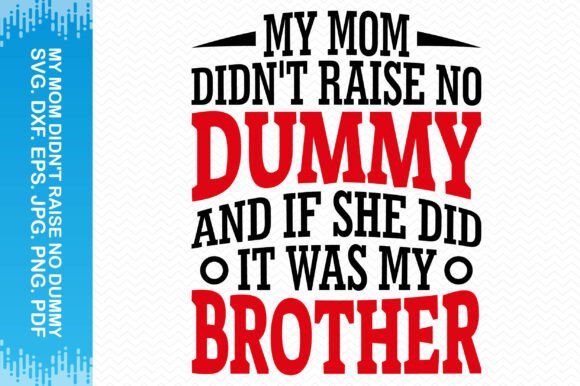
When evaluating graphics for translation into thread, the first question is always about personality. Does the artwork have enough visual weight to survive the conversion from screen to fabric? My Mom Didn t Raise No Dummy Clipart immediately strikes a specific chord. It carries a distinct blend of Southern charm, defensive wit, and nostalgic typography that resonates deeply with a specific demographic. As a designer reviewing this asset for potential embroidery projects, I see more than just a funny saying; I see a versatile graphic that bridges the gap between digital cutting files and traditional needlework aesthetics.
The phrase itself suggests a bold, declarative layout. In the world of Crafts and Graphics, text-based designs often struggle when they lack hierarchy, but this clipart appears structured to hold its own. The mood is confident yet playful, making it an excellent candidate for items meant to be seen and read quickly. For small business owners and Etsy sellers, this type of humor sells because it tells a story about the wearer or the gift recipient. It is not merely decorative; it is conversational. When I look at this file, I am already mentally placing it on distressed denim, vintage-style tea towels, and boutique sweatshirts where the attitude matches the medium.
Real-World Application: The Custom Tote Bag Test
To truly judge the viability of My Mom Didn t Raise No Dummy Clipart, we must move beyond the mockup and into the hoop. Consider a recent scenario involving a custom embroidered tote bag intended as a personalized gift for a mother-in-law with a sharp sense of humor. A tote bag presents unique challenges: the canvas texture can swallow fine details, and the unstructured nature of the bag means the design must be legible even when the fabric bunches.
In this real-life application, the clipart serves as the perfect centerpiece. Because the provided ZIP folder includes an SVG file suitable for Cricut and other cutting machines, alongside a DXF file, the versatility is evident. However, for machine embroidery, these vector formats act as a blueprint. If you are digitizing this yourself or using a pre-digitized embroidery file derived from this art, the bold lettering translates beautifully into satin stitch columns. The solid shapes allow for clean fill stitch areas that anchor well to canvas without excessive puckering. The result was a handmade product that felt professional rather than homemade, proving that the graphic’s inherent balance supports high-quality stitching outcomes.
Best Use Cases for Apparel and Decor
This design shines brightest when matched with products that embrace rustic, farmhouse, or retro vibes. Based on my experience with similar typography-driven assets, here is where My Mom Didn t Raise No Dummy Clipart performs best in a commercial embroidery context:
- Sweatshirt Embroidery: Placed across the chest or centered on the back, the bold lines remain readable against fleece textures. The humor appeals to the "mom life" niche popular among craft business owners.
- Kitchen Textiles: Tea towels and aprons are classic vehicles for this sentiment. The design holds up well to frequent washing, provided the stitch density is appropriate for cotton linens.
- Embroidered Patches: The self-contained shape makes this ideal for patch creation. You can stitch it onto felt or twill backing, creating a merchandise item for small shop product lines.
- Holiday Embroidery: While not seasonal by definition, this phrase works exceptionally well for Mother’s Day or family reunion gifts, adding value to personalized gift offerings during peak sales seasons.
For digital product sellers, the inclusion of SVG and DXF formats means this asset also serves as a strong foundation for printable mockups. Even if your primary focus is thread, having the ability to offer a vinyl version for customers who prefer iron-on applications increases the overall value of your design assets.
Navigating Fabric Limitations and Technical Constraints
While the aesthetic is strong, practical judgment requires acknowledging where My Mom Didn t Raise No Dummy Clipart might face friction. Not every fabric is a friend to detailed typography. When planning your embroidery project, exercise caution in the following scenarios:
- Stretchy Knits and Performance Wear: The bold, likely dense lettering requires significant stabilization. On thin jersey or moisture-wicking fabrics, the contrast between heavy stitch areas and light fabric can cause tunneling. Always use a cut-away stabilizer and consider a water-soluble topping to prevent stitches from sinking.
- Curved Surfaces Like Caps: Unless the design has been specifically digitized for caps (with proper pull compensation and sequencing), flat artwork can distort on curved brims. Test thoroughly before committing to bulk production.
- Tiny Lettering Details: If the clipart includes intricate serifs or distressed edges, verify that these translate to running stitch or narrow satin columns effectively. Details under 1mm often get lost in fabric texture or cause thread breaks.
- Dark Fabrics: High contrast is key. Ensure your thread colors pop against dark backgrounds. Sometimes, a white underlay is necessary not just for stability, but to prevent the dark fabric from showing through lighter thread fills.
Designer Notes for Professional Results
Before listing a finished product or selling a derivative digital embroidery file, adhere to these professional standards. First, always test the design on scrap fabric that matches your final substrate. Stitch density varies wildly between digitizers; what looks good on screen may be bulletproof on actual cloth. Check whether the design works for both personal and commercial projects by reviewing the licensing terms included with your download. Never assume commercial rights exist without verification.
Additionally, evaluate the negative space. In My Mom Didn t Raise No Dummy Clipart, the spacing between letters dictates readability at smaller sizes. If you are resizing the design for a baby embroidery project or a sleeve cuff, maintain the aspect ratio strictly. Distorting the width to fit a hoop size will ruin the typographic integrity. Finally, inspect your stitch pathing. Efficient jump stitch reduction saves time and improves the backside appearance of your work, which matters immensely for customer trust and brand consistency.
Elevating Product Value Through Design Choice
Ultimately, selecting My Mom Didn t Raise No Dummy Clipart is a strategic decision for makers. It targets a buyer who values wit and heritage. When executed correctly, this design elevates a basic blank garment into a statement piece. For Etsy sellers and creative entrepreneurs, the clarity of the message combined with quality execution builds recognition. Buyers return to shops where the embroidery looks crisp, the humor lands, and the product feels intentional.
Remember that while you receive SVG and DXF files optimized for cutting, their role in embroidery is foundational. They provide the clean lines necessary for redigitizing or applique design work. Whether you are creating a custom apparel line or a single cherished gift, treat this graphic with the technical respect it deserves. Verify your hoop size, select your stabilizer wisely, and let the bold personality of the design drive your creative process. In the competitive landscape of handmade goods, it is this attention to the marriage of art and engineering that separates hobbyist output from professional craftsmanship.