Hockey Life Helmet Svg: An Embroidery Designer’s Review
As a professional embroidery designer and product reviewer, I approach every new digital asset with a specific question: will this actually stitch out well on real fabric? When evaluating the Hockey Life Helmet Svg, my focus shifts immediately from screen aesthetics to needle performance. This design captures the rugged, energetic spirit of winter sports, but translating that visual personality into a tangible handmade product requires understanding how vector lines convert to thread paths. For fellow Etsy sellers, apparel decorators, and craft business owners, this review breaks down the practical realities of using this graphic for commercial and personal projects.
First Impressions and Visual Personality
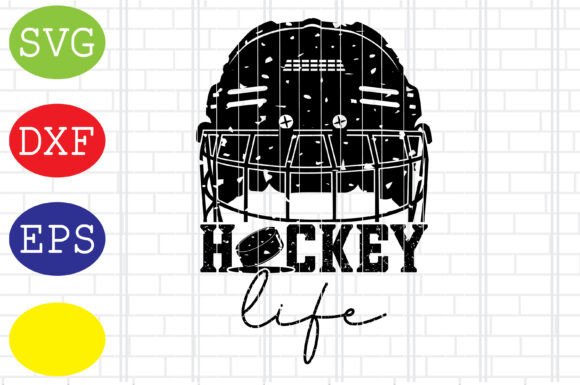
Upon opening the zip file containing the SVG, DXF, JPG, and EPS formats, the first thing that stands out is the bold silhouette. The helmet shape is distinct and recognizable even at smaller sizes, which is crucial for embroidery project success. Unlike intricate illustrations that can become muddy when stitched, this design relies on strong geometric forms and clear negative space. This makes it an excellent candidate for both satin stitch borders and fill stitch interiors.
The mood is undeniably athletic and nostalgic. It feels like a design that belongs on vintage-style merchandise rather than hyper-modern technical gear. For those of us in the Crafts category creating personalized gifts or boutique items, this aesthetic aligns perfectly with current trends favoring retro sportswear. However, because it is provided as a vector graphic (Graphics type), you must verify the node count before sending it to your digitizing software. Clean vectors mean fewer unnecessary stops and trims during the actual stitching process.
Real-World Application: Stitching a Custom Sweatshirt
To truly evaluate the Hockey Life Helmet Svg, I mentally mapped it onto a recent client request: a custom embroidered sweatshirt for a youth hockey team fundraiser. This scenario tests the design's versatility beyond simple flat stitching. Sweatshirts are thick, textured, and prone to shifting, making them the ultimate proving ground for any machine embroidery design.
In this application, the helmet design serves as a central chest motif. The bold lines of the SVG translate well to a running stitch outline that acts as a placement guide for potential appliqué layers. If you are using this for sweatshirt embroidery, I recommend treating the helmet as an applique design base. Using felt or twill for the fill reduces stitch density significantly compared to a full-fill embroidery. This prevents the garment from becoming bulletproof and stiff, maintaining the comfort required for wearable custom apparel. The visual weight of the helmet balances beautifully against the heavy fleece texture, ensuring the design doesn't get lost in the fabric nap.
Navigating Fabric Challenges and Hoop Sizes
While the Hockey Life Helmet Svg is versatile, it demands respect for material limitations. Not every surface is suitable for this level of graphic boldness. Here is where caution is necessary:
- Stretchy Fabrics: On performance jerseys or thin knits, the solid areas of the helmet can cause tunneling. You must use a high-quality cut-away stabilizer and potentially a water-soluble topping to prevent stitches from sinking into the weave.
- Curved Surfaces: If adapting this for caps or beanies, the horizontal width of the helmet may exceed the safe stitching area of a standard cap frame. Always measure your specific hoop size before digitizing. Distortion on curved surfaces can make the helmet look warped unless you compensate for the arc in your software.
- Small Scale Items: For baby embroidery or sleeve cuffs, reducing this design too much risks losing detail. The interior elements of the helmet (vents, straps) may need to be simplified or removed entirely for sizes under 3 inches to maintain clarity.
- Dark vs. Light Fabrics: Test your thread colors against the background. A white helmet on white fabric requires a contrasting outline or shadow effect to be visible. Conversely, on black fabric, ensure your light thread has enough coverage so the dark background doesn't bleed through.
Commercial Viability for Makers and Sellers
For the Etsy seller or small shop product creator, the value of this asset lies in its adaptability. The inclusion of multiple file types (SVG, DXF, EPS, JPG) suggests flexibility, but always confirm licensing terms before selling finished goods. Assuming commercial use is permitted, this design has high potential for holiday embroidery and seasonal merchandise.
Consider creating an embroidered patch series. The helmet’s contained shape makes it ideal for merrowed edges. Patches are low-risk, high-margin items that allow you to test market demand without committing to full garments. Additionally, the clean lines of the Hockey Life Helmet Svg make it perfect for printable mockup creation. You can easily recolor the vector file to match your design assets library, allowing customers to visualize their custom team colors before they purchase. This professional presentation builds buyer engagement and trust, signaling that your shop pays attention to detail.
Essential Designer Notes Before You Stitch
Before loading this digital embroidery file into your machine, run through this practical checklist to ensure professional results:
- Verify File Integrity: The product description notes "If you did not go through, please..." which implies potential download or extraction issues. Always unzip and open all files (SVG, DXF, JPG, EPS) immediately upon receipt to ensure they are not corrupted.
- Digitize with Intent: Do not rely on auto-digitizing features alone. Manually adjust the stitch direction to follow the contours of the helmet. This enhances the 3D effect and improves durability.
- Test on Scrap Fabric: Never stitch a new design directly onto a final product. Use a scrap piece of similar weight and texture to check tension, density, and registration.
- Check Licensing: Confirm whether the license covers physical products, digital resale, or both. This protects your craft business from legal issues.
- Mockup in Black and White: Viewing the design in grayscale helps identify contrast issues that color might hide. If the helmet disappears in monochrome, adjust your stitch types or add texture.
- Wash Test: If producing tote bag design items or kitchen textiles that require frequent laundering, wash your test swatch. Ensure the finished product maintains its shape and the threads do not pucker after drying.
Final Thoughts on Design Utility
The Hockey Life Helmet Svg offers a solid foundation for winter sports-themed embroidery, provided it is handled with technical awareness. Its strength lies in its bold simplicity, making it forgiving for beginners yet adaptable enough for experienced digitizers creating complex commercial embroidery pieces. Whether you are crafting a personalized gift for a player or building a seasonal collection for your online store, success depends on respecting the relationship between the digital vector and the physical thread. By prioritizing proper stabilization, appropriate scaling, and thoughtful digitizing, this graphic can transition seamlessly from a computer screen to a cherished, durable handmade item.