Hockey Mom Vector: A Designer’s Embroidery Review
As a professional embroidery designer and product reviewer, I approach every new graphic asset with a critical eye toward its stitchability. When evaluating the Hockey Mom Vector for real-world application, my primary concern is not just how it looks on a screen, but how it translates into thread on fabric. This design captures a specific niche within the Crafts category, targeting the passionate community of winter sports families. However, moving from a digital Graphics file to a tangible embroidered patch or sweatshirt requires careful technical consideration. The vector format provides an excellent foundation, but success depends entirely on how we interpret those clean lines into satin stitches, fill areas, and running stitch details.
First Impressions and Visual Personality
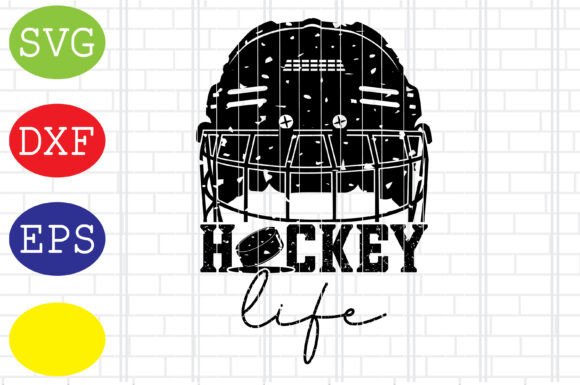
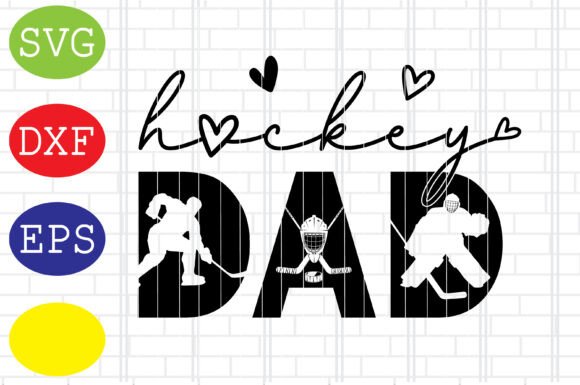
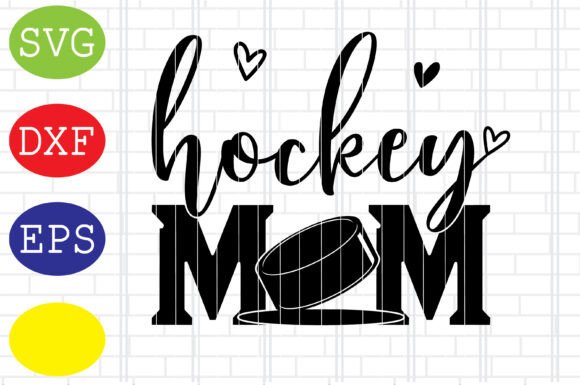
Upon opening the ZIP file containing the SVG, DXF, JPG, and EPS formats, the immediate strength of this Hockey Mom Vector is its thematic clarity. It balances sporty aggression with maternal pride, a combination that sells exceptionally well in the handmade market. The silhouette style typical of these vectors suggests high contrast, which is ideal for machine embroidery design. Visually, it feels energetic yet structured. For an Etsy seller or small shop owner, this aesthetic signals professionalism. It avoids the cluttered look of amateur clip art, suggesting that the final embroidered product will look crisp and boutique-ready rather than homemade in a pejorative sense. The mood is celebratory and active, making it naturally suited for game-day apparel and personalized gifts.
Translating Vectors to Thread: Technical Reality
While the product description lists versatile file types like DXF and EPS, it is vital to remember that these are vector graphics, not pre-digitized embroidery files. As a designer, I see this as both an opportunity and a responsibility. You cannot simply load an SVG into an embroidery machine. You must digitize this artwork yourself or hire a professional digitizer. This distinction matters because the Hockey Mom Vector likely contains intricate details—perhaps crossed sticks, skate blades, or stylized text—that behave differently under a needle than they do on a monitor.
When planning your stitch-out, consider the hierarchy of elements. If the design includes thin intersecting lines representing hockey sticks, these must be converted to either narrow satin stitches or triple running stitches to prevent breaking. Large solid areas should utilize fill stitches with appropriate underlay to prevent fabric distortion. If you intend to create an applique design using this vector as a guide, ensure the placement lines are accurate and the tack-down stitches are secure before adding the final satin border. The versatility of the included files allows you to customize the digitizing process to fit your specific hoop size and target fabric, but it demands technical proficiency.
Real-World Application: The Custom Sweatshirt Test
To truly evaluate this asset, I mentally applied it to a current client request: a custom fleece sweatshirt for a youth hockey team mom. Fleece is textured and stretchy, presenting challenges for detailed vectors. In this scenario, the Hockey Mom Vector serves as the centerpiece for chest placement. Because fleece has a pile, fine details can get lost. I would recommend simplifying the vector slightly during the digitizing phase, removing any internal shading lines and relying on bold color blocks.
For this sweatshirt embroidery project, using a cutaway stabilizer is non-negotiable to maintain registration between the lettering and the graphic icons. The result is a durable, washable garment that withstands the rigors of arena environments. From a business perspective, this application demonstrates high value. Parents are willing to pay a premium for custom apparel that identifies their role in the team ecosystem. The vector’s clean geometry ensures that even after fifty washes, the design remains recognizable and intact, reinforcing customer trust in your craft business.
Navigating Fabric Limitations and Hoop Constraints
Not every surface is friendly to this specific aesthetic. While the Hockey Mom Vector shines on stable knits and woven cottons, caution is required elsewhere. On curved surfaces like caps, the horizontal span of hockey sticks can cause puckering if not properly compensated during digitizing. Caps require specialized cap backing and often necessitate redesigning the vector to fit the limited vertical sewing field without distorting the aspect ratio.
Similarly, lightweight fabrics like jersey knit used for baby embroidery require significant modification. A dense version of this vector designed for heavy canvas tote bags will punch holes right through delicate baby clothes. You must adjust stitch density and perhaps reduce the overall size. For tea towels or kitchen linens, the design works beautifully, but avoid placing detailed text near the hem where seam bulk interferes with stitching. Always test on scrap fabric first. Check thread colors against the fabric background; white thread on light grey heather often lacks the contrast needed for the design to pop, whereas navy on cream offers superior definition.
Commercial Viability and Product Value
For creative entrepreneurs and digital product sellers, understanding the commercial potential of this asset is key. The Hockey Mom Vector is more than a seasonal novelty; it is a recurring revenue driver for winter months. Its adaptability allows for diverse product lines. Beyond apparel, consider embroidered patches for gear bags or pillow covers for nursery decor. Each application increases the perceived value of your brand.
However, professional presentation is paramount. Use the included JPG and PNG-compatible vectors to create printable mockups before you ever stitch a single sample. High-quality digital previews help validate market interest and improve buyer engagement on platforms like Etsy. When customers see a realistic representation of the finished product, conversion rates increase. Furthermore, consistent use of this cohesive graphic style across multiple products builds brand recognition. Just ensure you verify the licensing terms included in your purchase. Confirm whether the license permits selling physical embroidered items, digital embroidery files derived from the vector, or both. Respecting intellectual property protects your business longevity.
Designer Notes for Successful Execution
Before launching this design into production, adhere to these practical checkpoints:
- Verify File Integrity: Ensure the ZIP file extracted correctly and all four file formats (SVG, DXF, JPG, EPS) are present and uncorrupted before starting your digitizing software.
- Test Stitch Density: Create a small test swatch to evaluate if the fill stitches are too dense for your chosen fabric or too sparse to cover the material texture adequately.
- Check Small Details: Inspect any text smaller than 0.25 inches. If the vector includes tiny lettering, convert it to manual satin columns or remove it entirely to prevent thread breaks and illegibility.
- Stabilizer Selection: Match your stabilizer weight to the design density and fabric type. Do not rely solely on tear-away for complex designs on stretchy fabrics.
- Color Contrast Testing: View your digitized file in black and white mode to ensure tonal separation exists independent of color choices. This guarantees readability on various garment colors.
- Licensing Compliance: Re-read the "Please Note" section in the product description carefully. Clarify any ambiguities regarding commercial use of derivative embroidery files versus finished physical goods.
- Maintenance Advice: Provide care instructions to end-users. Recommend washing inside out in cold water to preserve the integrity of the satin stitches and prevent fraying over time.
The Hockey Mom Vector represents a strong starting point for winter-themed embroidery projects. Its success, however, lies not in the download itself but in the thoughtful execution by the maker. By respecting the technical requirements of machine embroidery and adapting the vector to suit specific fabrics and end-uses, you transform a simple digital graphic into a cherished, high-quality handmade product that resonates deeply with your target audience.