Hockey Dad Svg Files: A Designer’s Embroidery Review
As a professional embroidery designer and product reviewer, I approach every new digital asset with a critical eye. When evaluating Hockey Dad Svg Files for real-world application, my primary concern is not just how the graphic looks on a screen, but how it translates into thread on fabric. This review assesses the design from the perspective of a maker preparing for client projects, Etsy listings, and personalized gifts. The goal is to determine if this specific collection of Ice Hockey Svg and Hockey Sticks Svg assets holds up under the needle and delivers value for commercial and personal use.
First Impressions and Visual Personality
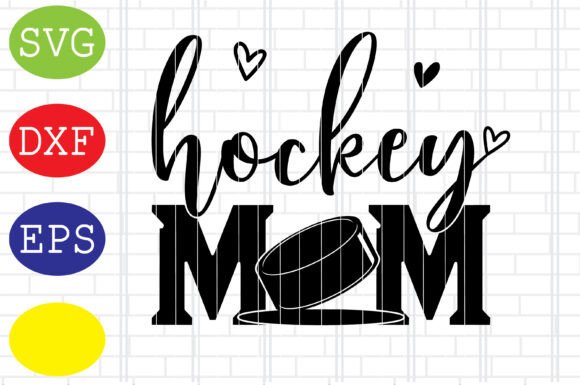
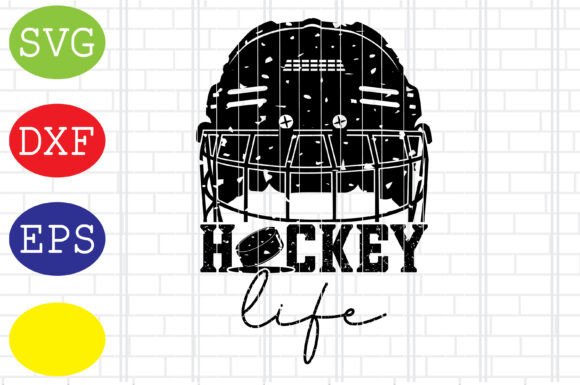
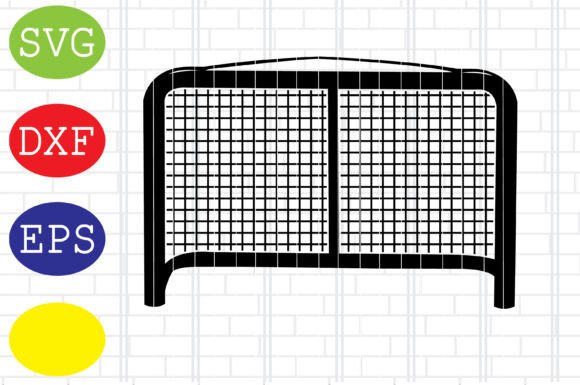
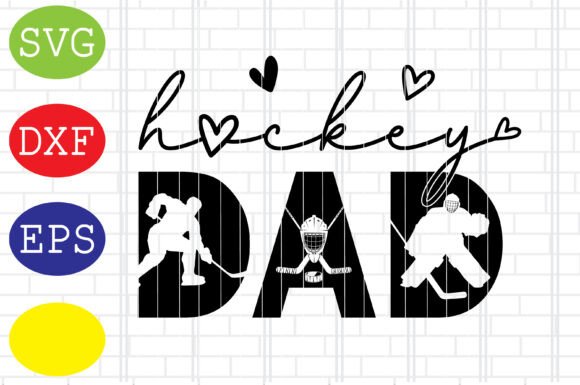
Upon opening the Zip File containing the SVG, DXF, JPG, and EPS formats, the immediate impression is one of bold, masculine energy typical of winter sports graphics. The layout suggests a design that celebrates fatherhood through the lens of hockey culture. For an embroidery project, this mood is essential. Customers buying custom apparel or handmade products for dads are looking for sentiment mixed with sport-specific recognition. The visual personality here feels authentic rather than generic, which is crucial for buyer engagement in a saturated market.
However, as a designer, I immediately look at the line weight and negative space. Graphics intended for vinyl cutting often differ significantly from those suitable for machine embroidery design. While these files serve multiple purposes, their viability for stitching depends entirely on path clarity. The shapes appear distinct, which is promising for digitizing into satin stitch borders or fill stitch areas without excessive complexity. This balance is what separates a professional finished product from a hobbyist attempt.
Real-World Application: The Custom Sweatshirt Test
To truly evaluate these Hockey Dad Svg Files, I mentally placed them in a specific production scenario: creating a custom embroidered sweatshirt for a youth hockey team fundraiser. In this context, the design needs to be legible from a distance in an ice rink while maintaining detail up close. Sweatshirt embroidery presents unique challenges due to the fleece texture and stretch.
For this application, the design assets would likely require modification during the digitizing process. If using the SVG as a base for an applique design, the outer edges must be clean to prevent fraying. If converting to full stitch, the stitch density must be adjusted to prevent puckering on the knit fabric. I envision this graphic working beautifully as a left-chest logo or a centered back print. The inclusion of hockey sticks and ice elements provides natural framing opportunities for text, allowing for personalization like "Coach Mike" or "Est. 2024" without cluttering the composition. This versatility makes it a strong candidate for small shop product lines where customization is key.
Technical Considerations for Stitching Success
While the graphic files are versatile, transitioning from vector art to a digital embroidery file requires careful technical judgment. Not all elements in a JPG or EPS translate directly to stitches. Here are practical considerations for makers using this design:
- Fabric Texture Compatibility: On smooth fabrics like nylon windbreakers or polyester performance wear, the design will render crisply. However, on textured fabrics like terry cloth towels or heavy fleece, fine details in the hockey stick blades or skate laces may get lost. You may need to increase column widths or simplify intricate segments.
- Stabilizer Selection: Because hockey designs often involve directional stitching and potential lettering, proper stabilization is non-negotiable. For caps or curved surfaces, a firm backing is required to maintain registration. For lightweight baby clothes or thin tees, a tear-away or wash-away stabilizer prevents the design from becoming too stiff or bulletproof.
- Thread Color Contrast: Winter sport themes often utilize high-contrast palettes. Before committing to a run, test thread colors against your garment base. Dark navy thread on black fabric lacks definition regardless of stitch quality. Ensure the design assets allow for easy color separation so you can adapt to various team colors or customer preferences.
- Small Hoop Size Limitations: If resizing this design for a baby onesie or sleeve cuff, verify that the smallest details remain open. Reducing a complex hockey dad graphic by 50% might cause satin stitches to overlap or tiny text to become illegible. Always check the minimum recommended size before scaling down.
Navigating Fabric Challenges and Placement
Experienced apparel decorators know that placement is as important as the design itself. When using Hockey Dad Svg Files for items like tote bags or aprons, the flat surface is forgiving. However, when moving to structured caps or layered garments, caution is necessary. The curvature of a hat can distort horizontal elements like ice rinks or stick shafts. Digitizers should consider warping the design slightly to compensate for the cap's curve, ensuring the final embroidered patch or direct stitch looks straight to the human eye.
Additionally, consider the end-use of the finished product. Items like kitchen towels or baby blankets undergo frequent washing. Running stitch outlines may degrade faster than satin or fill stitches over time. If this design is intended for heirloom-quality holiday embroidery or commercial merchandise meant to last, reinforce delicate lines with adequate underlay and appropriate top stitch density. This attention to durability builds customer trust and reduces returns for handmade businesses.
Commercial Value and Business Strategy
For Etsy sellers and creative entrepreneurs, the value of these graphics extends beyond a single stitch-out. The multi-format inclusion (SVG, DXF, EPS, JPG) supports a hybrid business model. You can use the JPG and EPS files for printable mockups and digital product previews on your storefront, helping customers visualize the potential before purchasing. Meanwhile, the SVG and DXF files serve as the foundation for your physical inventory.
When listing products featuring this design, emphasize the emotional connection. Terms like "personalized gift," "hockey family," and "custom team gear" resonate with buyers. However, professionalism dictates transparency. Clearly state whether the item is a printed graphic or a true machine embroidery design. The tactile nature of embroidery commands a higher price point than printing, but only if the execution is flawless. Using these design assets to create high-quality samples for photography establishes brand consistency and showcases your capability as a maker.
Essential Pre-Production Checklist
Before loading these Hockey Dad Svg Files into your embroidery software or sending them to production, adhere to this practical workflow:
- Verify Licensing: Confirm whether your purchase includes commercial rights for selling finished products or if it is limited to personal use. Never assume; always check the provider’s terms regarding digital resale versus physical goods.
- Test on Scrap Fabric: Never stitch a new design directly onto a client’s garment. Run a test on similar fabric weight and texture to check for registration issues, thread breaks, or density problems.
- Inspect Vector Nodes: Open the SVG in vector software to ensure paths are closed and nodes are optimized. Jagged vectors result in jagged stitches. Clean up any stray points before digitizing.
- Mockup in Black and White: Viewing the design in grayscale helps identify contrast issues independent of color. If the design relies solely on color differentiation rather than value contrast, it may fail in monochrome embroidery.
- Confirm Machine Compatibility: Although you receive standard vector formats, you must digitize them into a machine-specific format (PES, DST, JEF, etc.). Ensure your software supports the import of these file types correctly.
Final Verdict for Makers
The Hockey Dad Svg Files offer a solid foundation for winter sports crafting, provided they are treated as a starting point rather than a final stitch file. Their strength lies in their thematic relevance and clean aesthetic, making them ideal for custom apparel, patches, and personalized gifts. For the professional embroiderer, success will depend on thoughtful digitizing, appropriate stabilizer choices, and rigorous testing. By respecting the technical demands of translating graphics to thread, you can transform these digital assets into high-value, tangible products that delight hockey families and grow your craft business.