Mom Life Coffee Chaos: An Embroidery Design Review
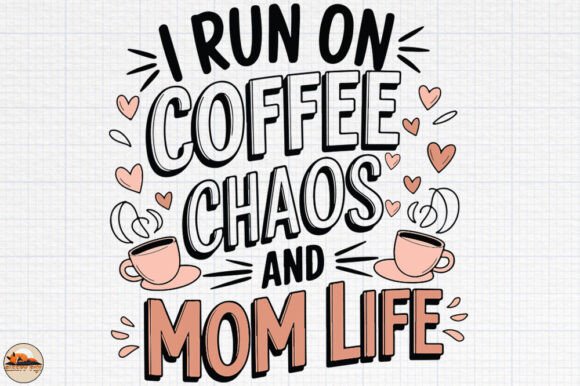
As a designer who has digitized and stitched out countless graphics for commercial and personal use, I approach every new asset with a critical eye. When evaluating the "Mom Life, Coffee, Chaos" design for Mother’s Day projects, my first thought isn't just about the cute sentiment; it is about how those vector lines will translate into thread on fabric. This graphic arrives as a comprehensive digital package including a high-resolution 4500x5400 PNG at 300 dpi, alongside SVG, PDF, and EPS files. While these are marketed as graphics ideal for print, any experienced maker knows that a strong vector file is often the perfect foundation for a custom machine embroidery design. However, moving from screen to stitch requires careful consideration of density, stability, and end-use.
Translating Vector Graphics to Stitched Reality
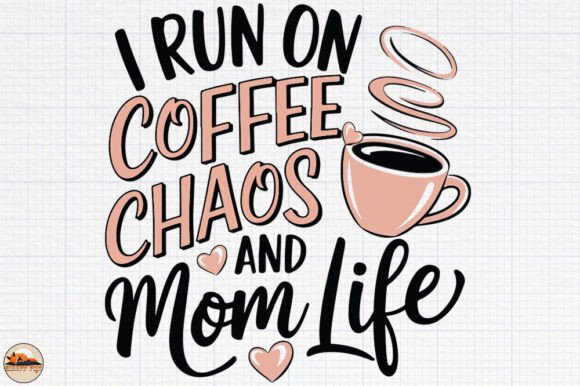
The visual personality of this design captures a specific mood: relatable, slightly chaotic, but warm and affectionate. For an embroidery project, this mood dictates your thread selection and fabric choice. The layout suggests a balance between typography and illustrative elements, likely featuring coffee cup iconography intertwined with script or block lettering. Before you even hoop fabric, you must assess the line weight in the provided SVG or EPS file. Thin, wispy lines that look elegant on a printable mockup can disappear or cause tension issues when converted to running stitch or satin stitch. If the original graphic has varying line weights, you may need to adjust them during digitizing to ensure consistent stitch density across the entire motif.
I recently prepared a custom embroidered tote bag for a client’s boutique launch using a similar "mom life" theme. The goal was a product that felt handmade yet professional enough for retail. Using a high-quality vector source like this one allowed me to create clean applique shapes for the coffee cup while keeping the text crisp. The result was a sweatshirt embroidery sample that sold out because the design didn't look like a generic clip-art transfer; it looked intentional. The clarity of the original graphics directly influenced the perceived value of the finished product. Customers trust items where the stitching aligns perfectly with the intended aesthetic, and that starts with a solid source file.
Best Applications for Apparel and Home Decor
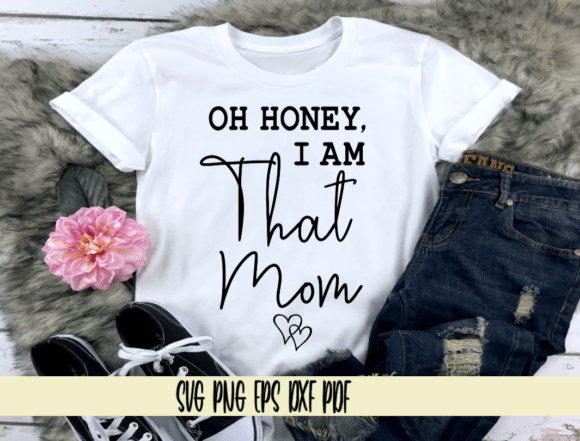
This design naturally lends itself to a variety of substrates, but performance varies by material. For custom apparel like t-shirts and hoodies, the design serves as an excellent centerpiece. Because the PNG is 300 dpi, you can easily create accurate printable mockups to show clients exactly what the placement will look like before you stitch a single needle. This is invaluable for Etsy sellers and small shop owners who need to validate interest before production. On knit fabrics like sweatshirts, the design works best when paired with a cut-away stabilizer to prevent the "chaos" element from distorting the fabric grain during washing.
Beyond apparel, consider the design for home decor and personalized gifts. Kitchen towels and aprons are classic Mother’s Day staples, but they present unique challenges due to frequent laundering. Here, the design’s versatility shines if adapted correctly. Instead of dense fill stitch which can make a tea towel stiff and prone to shrinking, consider converting key elements to redwork or outline styles. This maintains the visual impact while preserving the drape and function of the textile. For nursery decor or baby embroidery, always verify that the design does not contain small, detachable parts or overly dense areas that could irritate sensitive skin or pose safety risks.
Navigating Technical Constraints and Fabric Limitations
While "Mom Life, Coffee, Chaos" is versatile, there are environments where caution is necessary. Small hoop sizes are a common pitfall. If you attempt to shrink this design down for a cap or a baby onesie without re-digitizing, the lettering may become illegible and the details muddy. Always respect minimum text heights; generally, satin stitch letters should not be smaller than 6mm to remain readable. Similarly, textured fabrics like terry cloth or fleece require a topping to keep the stitches visible. Without it, the intricate details of the coffee or chaos motifs might sink into the pile, resulting in a lost design and wasted materials.
Dark fabrics also demand strategic planning. If the original graphic relies on fine internal details, those may vanish against navy or black cotton unless you use high-contrast thread colors or add a light underlay base. Stretchy performance wear is another area requiring care. The design’s structure must accommodate fabric movement; otherwise, the embroidery will pucker or pop threads after the first wear. In these cases, testing on scrap fabric is non-negotiable. I always recommend stitching a test swatch using the exact stabilizer and fabric combination intended for the final project to check for registration issues or excessive density.
Professional Standards for Commercial Makers
For creative entrepreneurs and craft business owners, professionalism extends beyond the stitch-out. It encompasses licensing, presentation, and consistency. Before listing any finished product derived from this design, confirm the commercial usage rights associated with the digital files. Just because you received an EPS or SVG does not automatically grant permission to sell mass-produced merchandise. Respecting intellectual property builds long-term trust with both designers and customers. Furthermore, when creating listings, utilize the included high-res PNG to generate realistic previews, but always supplement them with photos of actual embroidered samples. Buyers want to see how the thread interacts with the fabric texture, not just a flat digital image.
Brand consistency is equally important. If you are building a cohesive Mother’s Day collection, ensure this design complements your existing catalog. Does the font style match your other holiday embroidery offerings? Is the stitch density comparable to your standard patches or appliqués? Maintaining uniform quality across different products reinforces your reputation as a skilled maker. Whether you are producing embroidered patches for resale or personalized gifts for individual clients, the technical execution of "Mom Life, Coffee, Chaos" should reflect your commitment to excellence.
Essential Pre-Stitch Checklist for Makers
To ensure success with this design asset, follow these practical steps before beginning production:
- Verify Licensing: Confirm whether the purchase includes commercial rights for selling physical embroidered goods versus digital redistribution.
- Test Contrast: View the design in black and white to ensure all elements remain distinct without relying solely on color variation.
- Check Stabilizer Pairing: Match your stabilizer type (tear-away, cut-away, or wash-away) specifically to the fabric weight and stretch factor.
- Audit Text Size: Measure the smallest text elements in your embroidery software to ensure they meet minimum legibility standards for satin or running stitch.
- Mockup Validation: Use the 4500x5400 PNG to create placement guides, ensuring the design sits correctly relative to seams, necklines, or pockets.
- Density Review: Inspect the digitized version for excessive stitch counts that could damage delicate fabrics or cause unnecessary production time.
Ultimately, "Mom Life, Coffee, Chaos" offers a fantastic starting point for Mother’s Day creations, provided it is treated with the technical respect embroidery demands. By understanding the relationship between the digital graphic and the physical stitch, makers can transform this versatile asset into high-quality, sellable products that resonate with customers. Whether you are crafting a sentimental gift or stocking your shop for the holiday rush, thoughtful preparation ensures the final result honors both the design and your craftsmanship.