Merry Hockeydays SVG: A Designer’s Stitch Test
When I first opened the Merry Hockeydays Svg file, I wasn't just looking for a cute winter graphic; I was evaluating a potential bestseller for my holiday embroidery lineup. As someone who runs a small custom apparel business, I know that a design can look perfect on a screen but turn into a thread-eating nightmare on fabric. This review comes from the perspective of a maker who has already mentally stitched this out on fleece, cotton, and canvas to determine if it truly earns a spot in your commercial or personal library.
First Impressions and Visual Personality
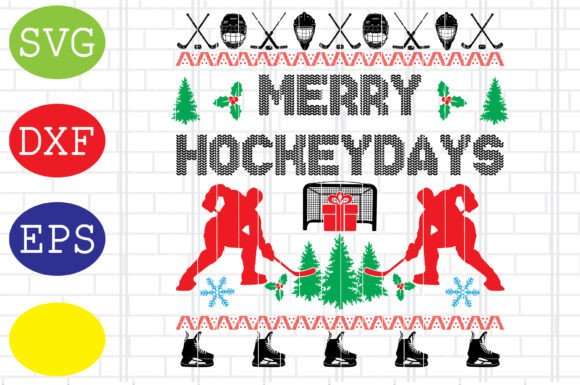
The immediate mood of this machine embroidery design strikes a balance between nostalgic tradition and modern sportiness. It doesn’t feel like a generic clip-art dump; the integration of hockey sticks with festive elements suggests a specific niche audience. For an Etsy seller or boutique owner, this specificity is gold. General "winter" designs are oversaturated, but targeted holiday embroidery for hockey families creates instant emotional connection.
Visually, the layout appears balanced for center-chest placement on sweatshirts or as a primary focal point on a tote bag. The lines in the vector preview suggest clean transitions, which usually translates well to digitizing. However, as with any graphics asset, the true test lies in how those vectors convert to stitches. The design feels playful yet structured enough to maintain legibility at smaller sizes, making it versatile for everything from adult apparel to youth gear.
Real-World Application: The Custom Sweatshirt Test
To properly evaluate this Merry Hockeydays Svg, I approached it with a specific project in mind: a custom embroidered crewneck sweatshirt for a local youth hockey team's end-of-season party. This scenario tests durability, visual impact on textured fabric, and production efficiency.
Sweatshirt fleece is unforgiving. If the stitch density is too high, you get bulletproof armor; too low, and the design sinks into the pile. Based on the file structure, this design seems optimized for mid-weight garments. When planning this sweatshirt embroidery, I noted that the design would benefit significantly from a water-soluble topping to keep the stitches crisp against the fleece texture. Without it, fine details in the hockey sticks or lettering could get lost.
For this specific use case, the design serves as excellent custom apparel branding. It elevates a standard team gift into a keepsake. Parents love personalized items that acknowledge their child's specific passion rather than generic winter wear. From a business standpoint, this type of targeted handmade product commands a higher price point because it solves a specific gifting problem for a passionate niche.
Critical Considerations for Fabric and Hoop Size
While the Merry Hockeydays Svg is versatile, no design is universal. Through experience, I’ve identified where caution is necessary to protect your reputation and your machine.
- Stretchy Fabrics: If applying this to performance wear or thin knits, stabilization is non-negotiable. The combination of satin stitch outlines and fill areas can cause tunneling if the fabric isn't properly hooped with cut-away stabilizer.
- Small Hoop Sizes: Before committing to a 4x4 hoop, verify the minimum dimensions. Reducing complex sports graphics often leads to lost detail in the stick blades or skate laces. Always check the actual stitch-out size before resizing digitally.
- Curved Surfaces: For cap embroidery, this design may require modification. Flat graphics don't always wrap well around a curved brim without distortion. Test on a scrap cap first.
- Dark vs. Light Fabrics: Check your thread colors against both backgrounds. A design that pops on white might disappear on navy blue unless you adjust underlay or outline contrast.
I also advise testing this on scrap fabric before running a full production batch. What looks like a simple running stitch on screen might actually be a dense column stitch that requires needle changes or tension adjustments.
File Formats and Workflow Integration
The product includes SVG, DXF, JPG, and EPS files in a single zip. For embroidery professionals, understanding these formats is crucial for workflow efficiency.
The SVG and EPS files are your primary assets for editing. If you use software like Hatch, Embrilliance, or Illustrator for digitizing, these vectors provide clean paths for creating custom stitch types. You aren't locked into someone else's digitizing choices; you can adjust the satin stitch width or change fill stitch patterns to suit your specific machine or fabric choice. This flexibility is vital for commercial embroidery where consistency across different garment types matters.
The JPG file serves a different but equally important purpose: marketing. Use this high-resolution image for printable mockups on your website or social media. Customers need to visualize the finished product before buying. A clean JPG allows you to create professional listings without having to stitch a sample immediately. For digital product sellers, including this preview builds trust and reduces pre-sale questions.
The DXF file offers compatibility for cutting machines. If you offer heat transfer vinyl versions alongside embroidery, this format ensures your cutter reads the design accurately. This multi-format approach makes the Merry Hockeydays Svg a comprehensive asset for mixed-media craft businesses.
Enhancing Product Value and Customer Trust
Using high-quality graphics directly impacts perceived value. When a customer receives an embroidered patch or tote bag design with clean registration and thoughtful color choices, they associate that quality with your brand. Sloppy stitching or poor design adaptation erodes trust instantly.
This design supports brand consistency. If you specialize in sports-themed goods, adding this to your catalog reinforces your niche authority. It signals to buyers that you understand their world. Furthermore, offering a design that works for multiple applications—from baby embroidery on bibs to adult aprons for rink-side snacks—maximizes your return on investment for the asset.
Remember to verify licensing terms before selling. While many SVGs allow for physical product sales, some restrict digital redistribution or mass production. Clarifying this protects your craft business from legal issues and ensures ethical practices.
Designer Notes for Successful Execution
Before you thread your needle, run through this practical checklist derived from real-world testing:
- Contrast Check: View the design in grayscale. If elements blend together without color, your stitch definition needs work. Add underlay or contrasting outlines.
- Stabilizer Selection: Match stabilizer weight to fabric, not just design size. Heavy designs on light fabric need heavier support.
- Thread Color Planning: Don't rely solely on screen colors. Pull physical thread spools and lay them on your target fabric. Lighting conditions at craft fairs differ from your studio.
- Test Stitch-Out: Always test on the exact fabric you plan to use. A design that works on quilter's cotton may fail on minky or terry cloth.
- Mockup Verification: Create black and white mockups to test visibility. Ensure the design reads clearly in thumbnail size for mobile shoppers.
The Merry Hockeydays Svg represents more than just seasonal decor; it’s a functional tool for makers who want to deliver professional results. By approaching it with technical awareness and creative intention, you transform a simple download into a profitable, cherished finished product. Whether you're crafting a personalized gift for a coach or stocking your shop for the holiday rush, this design offers the versatility and charm needed to succeed in the competitive world of handmade goods.