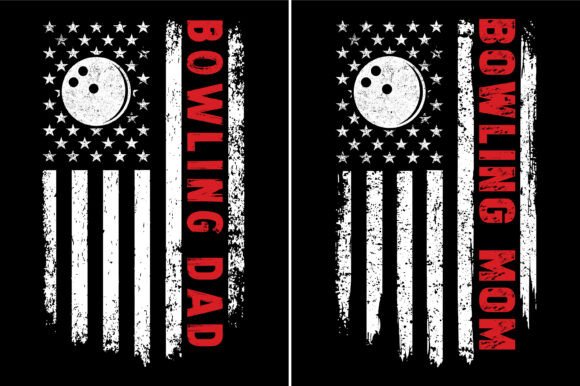
Bowling Mom & Dad: A Designer’s Stitch-Out Review
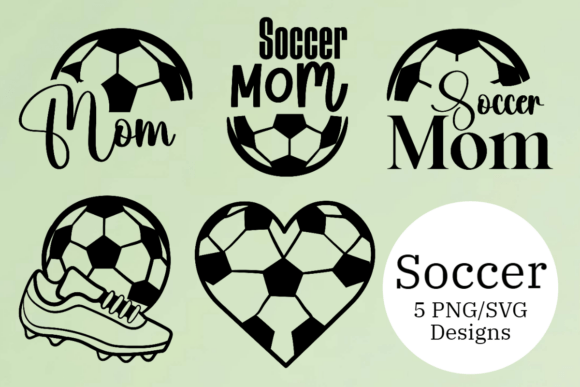
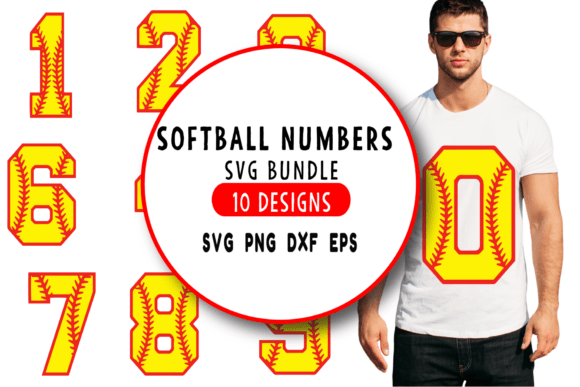
As an embroidery digitizer and product reviewer, I approach every new machine embroidery design with a healthy dose of skepticism. The market is flooded with generic sports graphics, but when evaluating the "Bowling Mom. Bowling Dad" collection for potential use in my own custom apparel line and client projects, I look past the digital preview. My primary concern is always how the embroidery file translates from screen to fabric. This design set, which encompasses a broader range of athletics including baseball, softball, football, golf, hockey, and volleyball alongside bowling, presents a unique opportunity for family-centric merchandise. However, its versatility depends entirely on execution. After reviewing the assets and planning a test stitch-out for a matching parent-and-child sweatshirt set, here is my practical assessment for fellow makers and shop owners.
First Impressions and Visual Hierarchy
Upon opening the digital embroidery file, the immediate strength of this collection is its clear typographic hierarchy. In the world of Crafts and personalized apparel, readability is paramount. The terms "Mom," "Dad," "Mama," "Papa," "Daddy," "Father," and "Mother" are rendered in a way that suggests they are intended to be the focal point, likely utilizing a bold satin stitch or a dense fill stitch. This is crucial because, unlike complex scenic designs, text-based sportswear relies on crisp edges to convey professionalism.
The inclusion of multiple familial titles makes this a high-value asset for Etsy sellers and small business owners who need to cater to diverse customer preferences without purchasing separate files. Visually, the design feels balanced. It avoids the cluttered aesthetic common in multi-sport bundles. Instead, it offers distinct, clean motifs that respect the negative space. For a designer, this negative space is just as important as the stitches; it prevents the "bulletproof vest" effect where heavy embroidery distorts lightweight garments.
Real-World Application: The Family Reunion Sweatshirt
To truly evaluate performance, I mentally mapped this design onto a specific project: coordinating crewneck sweatshirts for a family bowling league reunion. This scenario tests the design’s limits regarding size variation and fabric interaction. Sweatshirt fleece is textured and prone to puckering, making it the ultimate stress test for any sweatshirt embroidery project.
In this application, the "Bowling Mom" and "Bowling Dad" designs would serve as center chest placements. The accompanying sport icons (bowling ball, pins, or alternative sports equipment) function perfectly as sleeve accents or smaller left-chest logos for the "Son" and "Daughter" variations. This modularity is where the design shines for commercial embroidery. You aren't locked into a single massive layout; you can mix and match elements to create a cohesive handmade product line. For the kids' items, specifically baby embroidery or toddler wear, the ability to scale down the icon while maintaining stitch integrity is vital. If the stitch density is too high for a 4x4 hoop size, the fabric will tear; if too low, the design looks cheap. This collection appears optimized for that middle ground, though testing is mandatory.
Fabric Compatibility and Stabilization Strategy
While the design is versatile, it demands respect for material science. When working with these Graphics, you must adjust your stabilization strategy based on the end product. For the tote bag design application, canvas provides a stable base that supports heavier stitch counts without excessive backing. However, if you are applying this to a stretchy performance knit for a golf or volleyball team, a cut-away stabilizer is non-negotiable to prevent tunneling around the lettering.
I advise caution when using this design on highly textured fabrics like terry cloth or plush blankets without a water-soluble topping. The finer details in the sport equipment icons could get lost in the pile. Similarly, for dark fabrics, ensure your thread colors offer sufficient contrast. A white satin stitch on a cream sweatshirt might look elegant in software but disappear in photos. Always run a grayscale check on your printable mockup before stitching to verify value contrast.
Navigating Technical Constraints and Hoop Sizes
One critical note for users: The product description mentions receiving the design in SV format. As experienced embroiderers know, machine compatibility varies wildly. Before committing this to a production run, verify that your machine reads this specific format or that you have reliable conversion software. Never assume a converted file retains perfect stitch parameters; always do a physical test stitch-out after conversion.
Furthermore, pay close attention to the relationship between the design dimensions and your available hoop sizes. While the title focuses on Bowling Mom and Dad, the inclusion of other sports implies varying aspect ratios. A horizontal "Dad" design might fit a standard cap hoop, whereas a vertical stack might require a larger rectangular hoop. For embroidered patch creation, ensure the border stitches align correctly if you are resizing. Resizing beyond 10-15% can distort running stitch outlines and alter stitch density, leading to thread breaks or poor coverage.
Commercial Viability and Customer Appeal
For those running a craft business or managing a boutique, this design set hits a lucrative niche. Personalized family gear has high perceived value, especially when it moves beyond generic clip art. The specific call-outs to "Mama," "Papa," and extended family roles allow for deeper personalization, which drives buyer engagement. Customers are more likely to purchase a personalized gift that reflects their actual family dynamic rather than a one-size-fits-all label.
However, professional presentation is key. When listing finished products, avoid showing only the digital render. Photograph the actual stitched sample on a model or flat lay. Buyers need to see how the threads interact with the fabric texture. This builds trust and reduces returns. If you are selling the design assets themselves, clearly state the tested fabric types and recommended stabilizers in your listing. Transparency about the learning curve enhances your reputation as a quality vendor.
Designer Notes for Best Results
Before launching this into your holiday embroidery lineup or summer sports season, adhere to these practical checkpoints:
- Test on Scrap Fabric: Never stitch directly onto a final garment without a prior test. Use a scrap of the exact same weight and weave to check for puckering and registration issues.
- Check Thread Contrast: Evaluate visibility under natural and artificial light. What pops on screen may blend in real life.
- Review Licensing: Confirm whether your purchase includes commercial rights for selling finished physical products versus digital files. This distinction is critical for Etsy compliance.
- Inspect Small Details: Zoom in on the smallest text elements. If they are single running stitches, consider adding a bean stitch or backstitch for durability, especially for items requiring frequent washing like kitchen towels or baby bibs.
- Mockup Reality Check: Compare your digital previews against the actual stitch-out. Adjust your marketing images to reflect the true texture and sheen of the embroidery thread.
Ultimately, "Bowling Mom. Bowling Dad" serves as a robust foundation for family-oriented merchandise. Its success lies not just in the digitizing, but in the maker's willingness to adapt the file to the specific substrate. By treating this embroidery project with technical diligence and creative flexibility, you transform a simple graphic into a cherished, professional-grade keepsake. Whether you are creating a custom apron for a league party or a premium sweatshirt for your online shop, the attention to detail in both the design selection and the stitching process will define the quality of your brand.