Softball Bat and Ball SVG: An Embroidery Review
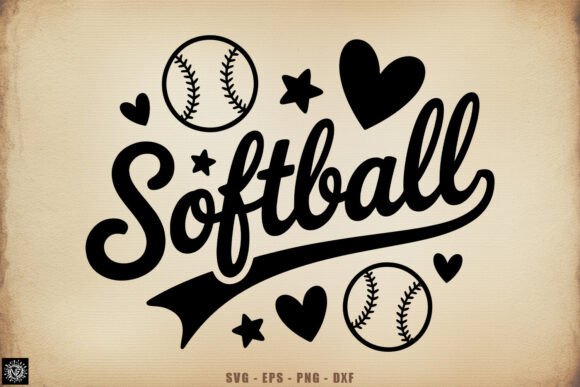
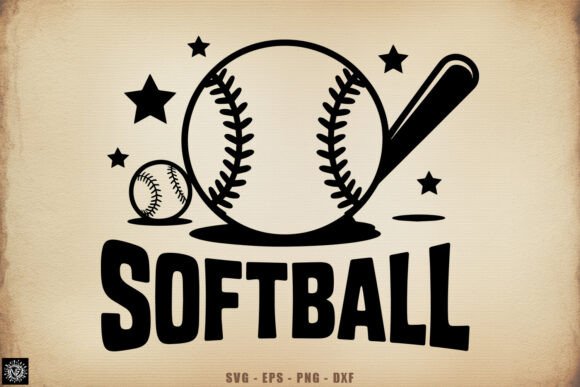
As a professional embroidery digitizer and product reviewer, I approach every new graphic with a specific question: will this actually stitch out cleanly on fabric? When evaluating the Softball Bat and Ball SVG for real-world application, my focus shifts immediately from screen aesthetics to structural integrity. This design features a bold, sporty aesthetic anchored by a large softball and bat, accented with stars and clean line-art elements. For those of us in the Crafts industry producing Graphics for apparel and merchandise, this visual hierarchy is promising. The bold shapes suggest excellent coverage potential, while the line-art elements offer opportunities for crisp definition without excessive density. However, translating a vector file into a tangible machine embroidery design requires careful consideration of how these elements interact with thread and textile.
First Impressions and Structural Viability
My initial assessment of the Softball Bat and Ball SVG reveals a layout that naturally lends itself to center-chest placement or back-of-jacket sizing. The relationship between the bat and ball creates a dynamic diagonal flow that prevents the design from looking static on garments. From an embroidery standpoint, the "clean line-art" mentioned in the description is the most critical feature to verify. In digital format, lines are infinitely scalable; in embroidery, they must be converted to running stitches or narrow satin columns. If the line art is too intricate, it risks becoming lost in the fabric texture or causing registration issues. Fortunately, the bold nature of this specific artwork suggests the lines are substantial enough to handle standard 40-weight thread without breaking or bunching.
The inclusion of stars adds a classic Americana sports vibe but also introduces small detail areas. As a reviewer, I look for whether these stars are designed as standalone elements or integrated into the main shape. Integrated stars within a fill area stitch faster and register better than isolated tiny motifs. This design appears to balance decorative flair with practical stitch-ability, making it a strong candidate for both personal projects and commercial inventory.
Real-World Application: The Team Hoodie Test
To truly evaluate this asset, I mentally placed it in a recent client scenario: creating custom warm-up hoodies for a travel softball team. The client needed a design that was recognizable from the stands but durable enough to withstand frequent washing and athletic wear. The Softball Bat and Ball SVG fits this use case exceptionally well because of its scale. On a heavyweight cotton blend hoodie, the large softball provides ample surface area for color blocking, which reduces overall stitch count compared to a fully dense design while maintaining high visual impact.
For this project, I would treat the main bat and ball shapes as potential applique design zones. Using felt or twill for the base layers would not only speed up production time but also add a tactile, premium quality that customers associate with high-end team gear. The line-art accents would then serve as top-stitching details in a contrasting satin stitch or heavier running stitch. This combination ensures the finished product has depth and texture rather than looking like a flat sticker. For an Etsy seller or small shop owner, offering this tiered construction method can justify a higher price point due to the perceived value of mixed-media embroidery.
Navigating Fabric Variables and Hoop Constraints
While the design is versatile, success depends heavily on substrate selection. I advise caution when applying this Softball Bat and Ball SVG to performance fabrics or thin knits. The bold, sporty look implies a certain weight; stitching a large, dense motif onto lightweight moisture-wicking material can cause puckering or distortion. If you must use performance wear, ensure you are using a heavy-duty cutaway stabilizer and potentially a topping to prevent stitches from sinking into the weave.
Conversely, this design shines on structured items like tote bags, caps, and canvas aprons. The clean lines translate beautifully to the tighter weave of canvas, allowing for sharp corners on the bat and perfect circles on the ball. However, cap embroidery presents unique challenges due to the curved surface. Before committing this design to headwear, verify that the vertical height fits your specific cap frame. The diagonal orientation of the bat may need rotation or resizing to accommodate the limited vertical space of a structured front panel without distorting the proportions.
Dark fabrics also require strategic planning. Since the design relies on line-art elements, contrast is non-negotiable. A white or metallic outline against a navy sweatshirt will pop, whereas a dark grey outline might disappear. Always test thread colors against the actual garment fabric, not just a digital mockup, to ensure the "bold and sporty" mood survives the transition to physical media.
Professional Notes for Digitizers and Makers
Before loading this embroidery file into your machine for a live order, adhere to these professional best practices to protect your reputation and minimize waste:
- Verify Licensing: Confirm whether your purchase includes commercial rights for selling finished goods versus digital files. This distinction is vital for Etsy sellers and business owners.
- Test Stitch-Out: Never skip the sample run. Check specifically for registration gaps between the fill areas and the line-art outlines. Adjust pull compensation in your software if gaps appear after washing.
- Analyze Stitch Density: Ensure the fill stitch isn't too dense for the intended fabric. Overly dense areas on a t-shirt can create a "bulletproof vest" effect that is uncomfortable to wear.
- Check Small Details: Inspect the stars and any text elements. If they are smaller than 4mm, consider simplifying them or removing them entirely to prevent thread breaks and illegible results.
- Mockup Accuracy: Use printable mockups that reflect realistic stitch textures. Customers trust listings that show how the design actually interacts with fabric grain rather than flat vector overlays.
- Hoop Size Confirmation: Measure the final dimensions after any resizing. Ensure the design stays within your machine’s maximum safe sewing field to avoid hitting the hoop sides during high-speed runs.
Elevating Product Value Through Design Choice
Ultimately, the Softball Bat and Ball SVG serves as more than just a seasonal graphic; it is a foundational asset for building a cohesive sports collection. Its balanced composition allows for easy pairing with names, numbers, or year markers without overcrowding the layout. For a craft business, this versatility means one design file can generate multiple SKUs—from personalized baby bibs with simplified line work to full-back adult sweatshirts.
The key to maximizing buyer engagement lies in presentation. When listing items featuring this design, highlight the craftsmanship involved in translating the bold graphics into thread. Explain the stabilizer choices or the applique techniques used. This transparency builds customer trust and distinguishes your handmade product from mass-produced alternatives. Whether you are creating a holiday gift for a coach or stocking your online store for spring season, this design offers the right mix of visual appeal and technical feasibility required for professional embroidery results. Just remember to respect the physics of thread and fabric, and this graphic will deliver consistent, high-quality outcomes across a wide range of creative projects.