Senior 2026 Mom Class of 2026 Mother Design Review
As a professional embroidery digitizer and product reviewer, I approach every new design file with a critical eye. When evaluating the Senior 2026 Mom Class of 2026 Mother graphic, my first thought isn't just about how it looks on a screen, but how it will translate into thread on fabric. This design targets a highly specific emotional niche: the proud mother celebrating her child’s upcoming graduation. While the product description highlights its utility as an SVG for cutting machines like Cricut and Silhouette, my focus here is strictly on its viability as a foundation for machine embroidery projects. For Etsy sellers and apparel decorators, understanding the transition from vector graphic to stitched reality is what separates amateur crafts from professional, sellable merchandise.
First Impressions and Emotional Resonance
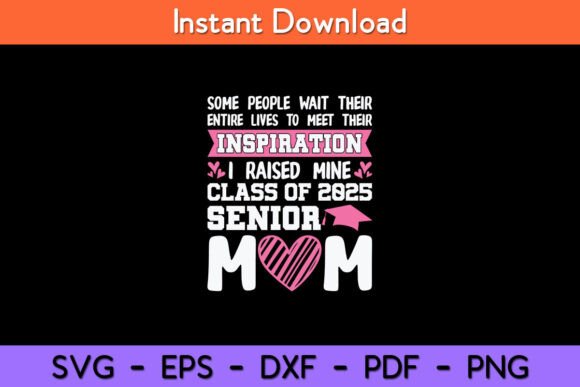
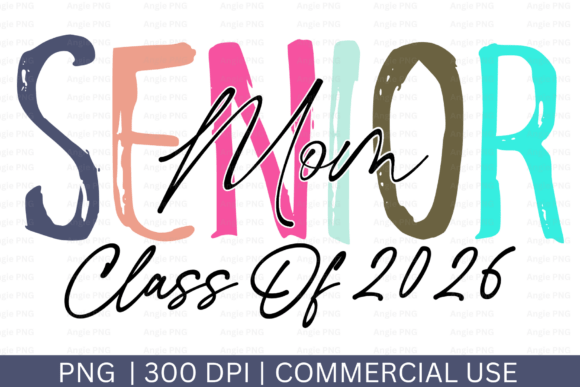
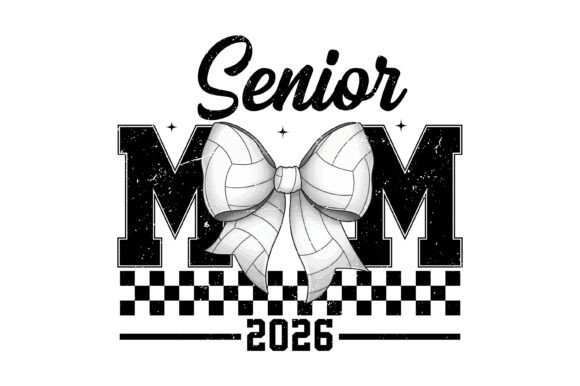
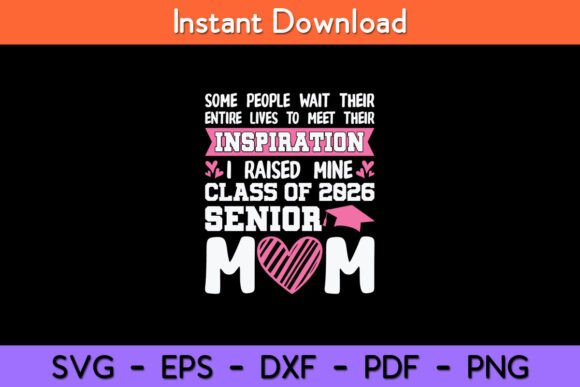
The visual personality of this design leans heavily into celebratory nostalgia. It balances bold typography with sentimental value, which is exactly what customers look for in senior mom gear. From a designer's perspective, the layout appears structured enough to serve as a central focal point on custom apparel. The phrase "Proud Senior 2026 Mama" carries significant weight; it is not merely text, but a badge of honor. When assessing this for commercial embroidery, I immediately visualize it centered on a crewneck sweatshirt or placed over the heart on a denim jacket. The mood is festive yet clean, avoiding overly cluttered elements that often plague graduation graphics. This clarity is essential because, in embroidery, negative space is just as important as the stitched areas to prevent fabric distortion.
Real-World Application: The Sweatshirt Test
To truly judge this asset, I mentally ran through a recent client project involving custom sweatshirt embroidery for a graduating class's parents. If I were using the Senior 2026 Mom Class of 2026 Mother design for this batch, my primary concern would be scalability and readability. Sweatshirts are typically made of fleece or French terry, fabrics with texture that can swallow fine details. In this scenario, I would evaluate whether the lettering in the design is bold enough to withstand a satin stitch application without sinking into the pile.
For a tote bag design, the considerations shift. Canvas is unforgiving regarding tension. If this graphic includes intricate script or thin connecting lines, they risk breaking during the stitching process or looking jagged on coarse canvas. However, if the design features solid block letters or adaptable fill stitch areas, it becomes a robust candidate for heavy-duty items like tote bags and aprons. As a handmade product creator, I appreciate designs that offer versatility across different substrates without requiring extensive redigitizing. This specific title suggests a layout that likely accommodates both the vertical orientation of a shirt front and the horizontal expanse of a bag.
Navigating Fabric Limitations and Hoop Sizes
Not every fabric is suitable for every version of this design. When working with stretchy knits or performance wear, stitch density becomes a critical factor. If the Senior 2026 Mom Class of 2026 Mother graphic is too dense, it will create a bulletproof patch effect that ruins the drape of a lightweight t-shirt. Conversely, if it is too sparse, the fabric may pucker between stitch points. I always advise testing on scrap fabric first, especially when adapting a digital cutting file for needle and thread. You must confirm that the digitized version maintains structural integrity.
Hoop size is another practical constraint. A design celebrating a "Class of 2026" often requires legible numbers. If you attempt to shrink this design down for a baby embroidery project or a small cap, the year "2026" may become illegible. Tiny lettering is the enemy of clean embroidery. For smaller applications like patches or sleeve cuffs, you might need to isolate just the "Senior Mom" portion of the artwork. Always verify the minimum recommended size before committing to a production run. Using the proper stabilizer—cutaway for knits, tear-away for wovens—is non-negotiable to ensure the final product looks professional rather than homemade.
Commercial Viability for Makers and Sellers
For those running a craft business or managing an Etsy shop, this design represents a seasonal revenue stream with high perceived value. Graduation merchandise has a short but intense sales window. The key to maximizing buyer engagement is presentation. Before listing finished products, create printable mockups that accurately represent how the embroidery will sit on the garment. Customers need to trust that the personalized gift they are ordering will look crisp and balanced.
However, a crucial warning for digital product sellers and commercial embroidery users: verify your licensing. The product description mentions instant download and cutting machine compatibility, but it does not explicitly detail commercial embroidery rights. Never assume that owning the SVG grants permission to sell embroidered goods or resell the digital embroidery file. Clarifying this protects your business and respects the original artist. If the license permits, this design could anchor a boutique branding campaign for local parent groups or school booster clubs, offering a cohesive look across caps, blankets, and holiday gifts.
Technical Considerations for Digitizing Success
Transitioning from a vector graphic to an embroidery file requires technical diligence. If you are digitizing this yourself or hiring a professional, pay attention to the following:
- Thread Color Contrast: Test the design in black and white mockups to ensure contrast relies on value, not just color. This ensures visibility on both dark and light fabrics.
- Stitch Type Selection: Determine if the text warrants a satin stitch for a classic varsity look or a fill stitch for larger, modern lettering. Running stitch accents should be reserved for decorative elements, not primary text.
- Fabric Texture Compatibility: Adjust underlay settings based on whether you are stitching on smooth cotton or textured fleece. High-pile fabrics require stronger underlay to keep stitches visible.
- Detail Inspection: Zoom in to check for overlapping stitches or unnecessary jumps. Efficient pathing reduces production time and thread breaks.
- Washability: Consider the end use. Items like kitchen towels and baby clothes face frequent laundering. Ensure stitch density is sufficient to survive washing without fraying.
Final Verdict on Design Utility
The Senior 2026 Mom Class of 2026 Mother concept holds strong potential for the embroidery market, provided it is executed with technical precision. Its strength lies in its targeted emotional appeal and clear typographic hierarchy. For the experienced maker, it serves as an excellent canvas for showcasing quality craftsmanship through proper stabilizer use, thread selection, and fabric pairing. Whether you are creating a keepsake pillow cover, a personalized gift for a fellow mom, or stocking your shop with custom apparel, success depends on respecting the medium. Treat this graphic not just as a digital asset, but as a blueprint for a tangible, stitched heirloom. By prioritizing stitch quality and fabric compatibility over speed, you ensure that every "Proud Senior 2026 Mama" item you produce reflects the pride inherent in the milestone itself.