Highland Cow Mom and Baby: An Embroidery Review
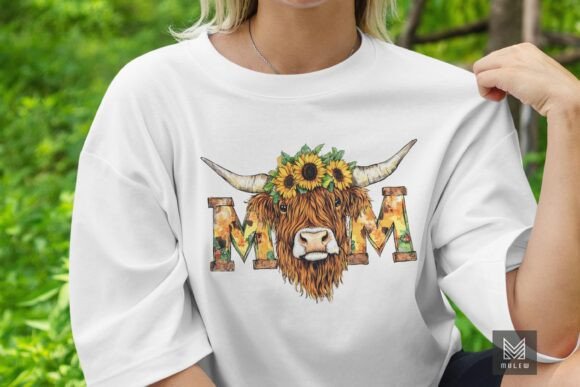
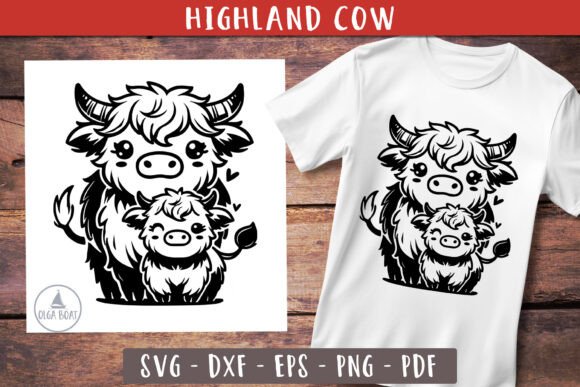
As a designer who spends more time behind an embroidery machine than a computer screen, I approach every new graphic with a specific question: will this actually stitch out well? When evaluating the Highland Cow Mom and Baby Mother Day asset, my first impression is one of warmth and rustic charm. The illustration captures that distinctively shaggy, affectionate aesthetic that has become a staple in modern nursery decor and farmhouse-style apparel. However, moving from a 3600 px digital graphic to a tangible embroidered patch or sweatshirt requires careful translation. This review breaks down how this design performs when needle meets fabric, specifically for makers and shop owners planning their next seasonal collection.
Translating Digital Lines to Stitched Texture
The source file for Highland Cow Mom and Baby Mother Day is provided at 12 inches along the long side with 3600 px resolution. For print-on-demand sellers, this is excellent. For us in the embroidery world, this high-resolution raster image serves as a perfect digitizing template rather than a direct stitch file. The visual personality here relies heavily on the texture of the cow’s fur and the tender interaction between mother and calf. In a real-life scenario, such as creating a custom embroidered tote bag for a boutique client, you cannot simply rely on standard fill stitches to replicate this mood.
When I visualize this design on a canvas tote, I see a mix of techniques. The shaggy coat of the Highland cows demands a textured fill stitch or perhaps a chenille effect if your machine supports it, rather than flat satin columns which would look too polished and artificial. The bond between the mom and baby suggests softer thread colors—creams, tans, and warm browns—to maintain that gentle, maternal vibe essential for Mother’s Day merchandise. If you are using this as an applique design, the 12-inch scale provides ample room for fabric placement, allowing the raw edges to contribute to the rustic aesthetic rather than fighting against them with tight satin borders.
Real-World Application: The Sweatshirt Test
Let’s consider a practical case study: preparing a batch of unisex sweatshirts for an Etsy shop launch. Sweatshirt fleece is forgiving, but it also hides detail. If you attempt to stitch Highland Cow Mom and Baby Mother Day at its full 12-inch width on a standard adult sweatshirt, you risk creating a "bulletproof" patch of dense stitching that makes the garment stiff and uncomfortable. This is where professional judgment comes in.
For apparel, I recommend scaling this design down to a 6-to-8-inch width for chest placement, or utilizing the full height only for back prints on heavier garments. As a sweatshirt embroidery project, the design needs breathing room. You might isolate just the baby calf for a pocket-sized accent or use the full pair for a large back piece. The key is balancing stitch density with fabric drape. Customers value handmade products that feel soft and wearable, not like they are wearing a stiff piece of cardboard. Always run a test stitch-out on scrap fleece before committing to a full production run to ensure the stabilizer choice supports the design weight without puckering.
Navigating Fabric Limitations and Hoop Sizes
While this graphic is versatile, it presents challenges on certain substrates. I would advise extreme caution when attempting Highland Cow Mom and Baby Mother Day on stretchy performance fabrics or thin jersey knits without significant modification. The complexity of two animals interacting creates a larger stitch area that can distort lightweight materials. Similarly, curved surfaces like caps are generally unsuitable for this specific layout unless you significantly alter the composition to fit a narrow, arched field.
For baby embroidery projects, such as onesies or bibs, the original 12-inch scale is far too large. You must resize responsibly. When reducing a design featuring fine details like facial features or fur texture, verify that your embroidery software can recalculate stitch paths. Simply shrinking the file often results in overlapping stitches and thread breaks. For small items, consider extracting just the heads or simplifying the fur texture to running stitches to maintain clarity at smaller sizes. Always confirm your hoop size capabilities before purchasing; while the graphic scales digitally, your physical hardware dictates the maximum finished product size.
Commercial Viability and Customer Perception
For craft business owners and Etsy sellers, Highland Cow Mom and Baby Mother Day offers strong commercial potential due to current market trends. However, customer trust is built on execution. A pixelated print is forgivable; a messy, poorly registered embroidery job is not. The visual appeal of this design lies in its emotional resonance. When used for personalized gifts or holiday embroidery, the stitching must reflect that tenderness.
I recommend testing this design in black and white mockups before selecting thread colors. This helps identify contrast issues that color might hide. Does the baby stand out against the mother? Are the eyes visible? These details determine whether a buyer engages with your listing or scrolls past. Professionalism in commercial embroidery means ensuring the design reads clearly from a distance in product photos. Furthermore, always verify licensing terms before selling finished items or digital embroidery files derived from this graphic. Protecting your business means respecting intellectual property while delivering superior quality.
Essential Designer Notes for Success
Before you load this design into your machine or list it in your shop, run through this practical checklist to ensure your final product meets professional standards:
- Stabilizer Selection: Match your stabilizer to the fabric weight. Use cut-away for stretchy knits and tear-away for stable wovens like canvas tea towels.
- Thread Contrast: Avoid low-contrast threads for the main outlines. The definition between the mom and baby is crucial for visual recognition.
- Density Check: Inspect the digitized file for areas of excessive density. Remove unnecessary underlay stitches in overlapping fur sections to reduce bulk.
- Mockup Testing: Create printable mockups on both light and dark backgrounds to see how the design translates across different product variations.
- Licensing Verification: Confirm whether the license covers commercial use for physical goods, digital resale, or both before launching your product line.
- Wash Testing: If selling baby items or kitchen linens, wash your test sample to ensure the stitch density holds up to frequent laundering without fraying.
Ultimately, Highland Cow Mom and Baby Mother Day is a beautiful foundation for creative projects, provided it is treated with technical respect. Whether you are crafting a bespoke nursery pillow or stocking your online store with seasonal apparel, success lies in adapting the digital art to the physical realities of thread and fabric. By focusing on proper scaling, appropriate stitch types, and rigorous testing, you transform a simple graphic into a cherished handmade heirloom that customers will be proud to own and gift.