Free Mom Hugs LGBTQ Pride PNG Review
As a designer who regularly bridges the gap between digital graphics and physical textiles, I approach every new asset with a specific question: will this actually translate to thread? When evaluating the Free Mom Hugs LGBTQ Pride PNG, my perspective shifts from screen to fabric immediately. While this file is marketed as a high-quality graphic for printing and iron-on transfers, its bold typography and symbolic imagery make it a compelling candidate for adaptation into a machine embroidery design. For craft business owners and Etsy sellers looking to expand their Pride month inventory or create meaningful personalized gifts, understanding how this graphic behaves in a production environment is essential before committing to a finished product.
Translating Bold Graphics to Stitch
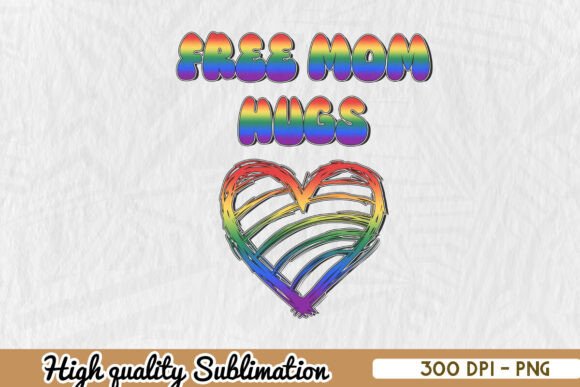
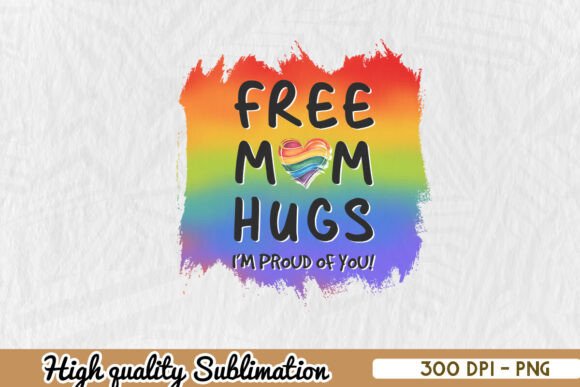
The first impression of the Free Mom Hugs LGBTQ Pride PNG is one of warmth and assertive visibility. The layout typically balances playful lettering with recognizable pride iconography, creating a mood that is both celebratory and intimate. From an embroidery digitizing standpoint, this visual personality is a strength. The shapes are generally distinct enough to be converted into clean satin stitch borders or fill stitch areas without losing definition. Unlike intricate illustrations that turn into muddy thread blobs when reduced, this graphic relies on strong silhouettes and clear color blocking.
However, because this is originally a PNG graphic rather than a native embroidery file, you must assess the line weight carefully. If you are using auto-digitizing software or hiring a professional digitizer, ensure the text elements are thick enough to support a column of stitches. Thin, distressed textures often found in printable graphics can cause needle breaks or registration issues if not smoothed out during the digitizing process. For a handmade product to look professional, the transition from pixel to stitch must be intentional, preserving the design’s original spirit while respecting the mechanical limitations of thread.
Real-World Application: The Custom Tote Bag Test
To truly evaluate this asset, I mentally placed it onto a canvas tote bag project intended for a local pride market. Tote bags are a staple for small shop products because they offer a flat, stable surface ideal for showcasing detailed embroidery. In this scenario, the Free Mom Hugs LGBTQ Pride PNG serves as a central focal point. The design’s sentiment resonates deeply with customers seeking affirming merchandise, but the execution determines the sale.
When stitching this onto unbleached canvas, the contrast is key. I would recommend testing thread colors against the natural fabric tone first. Since the graphic involves multiple colors associated with pride flags, you need to verify that your chosen rayon or polyester threads maintain sufficient contrast against each other and the base fabric. A common pitfall in commercial embroidery is assuming screen colors match thread charts; always run a sew-out. For this specific tote bag application, I envision pairing the design with a sturdy cutaway stabilizer to prevent the canvas from puckering under the density of the fill stitches. The result should be a durable, washable item that feels like a premium boutique offering rather than a stiff, mass-produced novelty.
Navigating Fabric Variables and Hoop Constraints
Versatility is crucial for creative entrepreneurs managing diverse inventory. While the Free Mom Hugs LGBTQ Pride PNG adapts beautifully to structured items like tote bags and aprons, it requires more caution when applied to apparel. Sweatshirt embroidery is a popular category, but fleece and french terry fabrics have texture that can swallow fine details. If you adapt this graphic for a crewneck sweatshirt, consider increasing the stitch density slightly or adding an underlay foundation to push down the fabric nap. This ensures the vibrant colors of the design pop rather than sinking into the material.
Baby embroidery presents another set of challenges. If you plan to use this design for onesies or bibs, size becomes the primary constraint. You must check whether the design retains legibility at smaller hoop sizes. Tiny lettering often fails in embroidery unless specifically digitized as running stitch or specialized micro-fonts. Before listing any baby items featuring this design, confirm that the smallest text elements remain readable after washing. Additionally, stretchy knits require a fusible no-show mesh stabilizer to prevent distortion. A warped design on a baby gift undermines the perceived value and professionalism of your brand.
Commercial Viability and Brand Trust
For Etsy sellers and apparel decorators, visual appeal directly correlates to customer trust. Using the Free Mom Hugs LGBTQ Pride PNG effectively means ensuring the final embroidered output looks as crisp as the digital mockup. Buyers in this niche are discerning; they value authenticity and quality. Sloppy registration, thread breaks, or poor color matching can damage your shop’s reputation. Conversely, a well-executed version of this design signals that you care about the message and the medium.
This graphic also offers excellent potential for mixed-media projects. Because it is a high-resolution PNG, you can use it to create printable mockups for your listings before you even stitch a single sample. This allows you to gauge market interest and test different product placements digitally. Furthermore, consider how this design pairs with other assets in your catalog. Does it complement your existing holiday embroidery or wedding gift lines? Building a cohesive collection around inclusive themes can increase average order value and encourage repeat business from customers who align with your brand values.
Essential Designer Notes for Production
Before launching this design into your production workflow, adhere to these practical guidelines to ensure success:
- Verify Licensing Terms: Although the title includes "Free," you must explicitly confirm the license regarding commercial embroidery. Some free graphics allow personal use only, while others permit selling finished handmade products but prohibit selling the digital embroidery file itself. Protect your business by reading the fine print.
- Test on Scrap Fabric First: Never stitch directly onto a sellable garment without a test run. Use scraps of the exact fabric and stabilizer combination you intend to use for the final product to check for tension issues and color accuracy.
- Evaluate Stitch Density: If converting from PNG to embroidery format, avoid excessive density. Overly dense designs can cause fabric perforation or stiffness. Aim for a balance that provides coverage without compromising the drape of the garment.
- Check Color Contrast: View your thread selection in natural lighting. Colors that look distinct on a backlit monitor may appear identical under store lighting or in outdoor photos. High contrast improves readability and photographic appeal.
- Inspect Small Details: Zoom in on the digitized file to identify any gaps or overlapping stitches that could cause production delays. Clean up jagged edges in the vector conversion stage to save time at the machine.
- Confirm Hoop Compatibility: Ensure the design fits comfortably within your machine’s maximum stitch area with adequate margin for hooping. Trying to squeeze a design into a hoop that is too small leads to alignment errors and wasted materials.
The Free Mom Hugs LGBTQ Pride PNG represents more than just a seasonal graphic; it is an opportunity to connect with your audience through meaningful, tangible craftsmanship. Whether you are creating custom apparel for a client, stocking your shop for Pride month, or making a personalized gift for a loved one, treating this digital asset with technical respect ensures the final product honors the sentiment behind it. By focusing on proper stabilization, thoughtful digitizing, and rigorous testing, you transform a simple download into a cherished, professional-quality embroidered piece that stands the test of time and wear.