Best Mum Ever Design: A Maker’s Stitch Guide
As a designer who has digitized and tested countless graphics for commercial embroidery, I approach every new file with a healthy dose of skepticism. When evaluating the Best Mum Ever- Mothers Day, Mom design assets, my primary concern isn't just how pretty the graphic looks on a screen, but how it translates into thread on fabric. This review breaks down the practical realities of using this digital embroidery file for real-world projects, specifically focusing on its viability for small business owners and hobbyists creating personalized gifts.
First Impressions and Visual Hierarchy
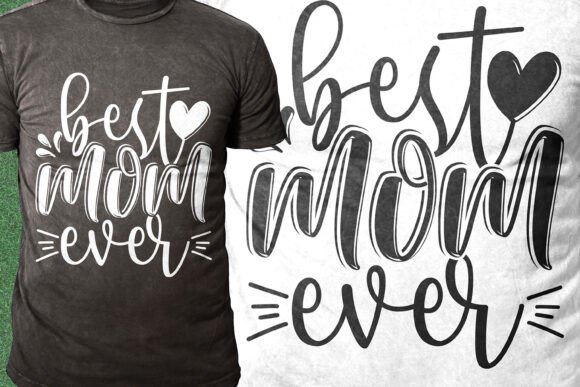
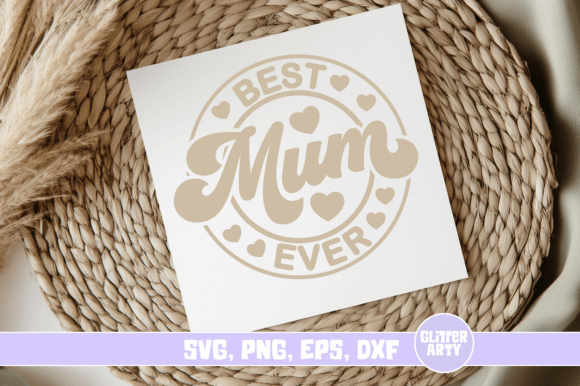
Upon opening the SVG, PNG, EPS, and DXF files included in this purchase, the layout immediately suggests versatility. The typography balances sentiment with readability, which is crucial for machine embroidery design. In the Graphics category, text-heavy designs often fail when converted to stitch because the lettering becomes too dense or illegible at smaller sizes. However, this design appears to respect the limitations of thread. The visual personality feels warm and accessible without being overly cluttered, making it an excellent candidate for both modern custom apparel and traditional handmade products.
For Etsy sellers and craft business owners, the aesthetic strikes a balance that appeals to a broad demographic. It avoids the trap of looking like generic clip art, instead offering a composition that feels intentional. Whether you are planning sweatshirt embroidery or a delicate baby embroidery project, the shape and flow of the design suggest it will sit flat and look professional after washing.
Real-World Application: The Tote Bag Test
To truly judge this design, I mentally walked through a recent client commission: a heavy canvas tote bag intended as a Mother’s Day gift. Canvas is unforgiving; it hides running stitch details but punishes excessive stitch density with puckering. For this specific embroidery project, the Best Mum Ever- Mothers Day, Mom file serves as a strong foundation.
If utilizing this as an applique design, the outer boundaries appear clean enough to guide a tacking stitch without fraying. If stitching out entirely in thread, the fill stitch areas seem optimized to provide coverage without creating a bulletproof patch that distorts the bag's drape. I envision this working beautifully centered on a natural cotton tote, perhaps paired with a contrasting thread color like deep rose or navy. For small shop product lines, this specific application offers high perceived value because the design scales well to the larger surface area of a bag while maintaining legibility.
Performance Across Different Substrates
Versatility is key for commercial embroidery. Here is how this design likely performs across common maker substrates:
- Sweatshirts and Hoodies: The design weight seems appropriate for fleece. Ensure you use a cutaway stabilizer to prevent tunneling in the fill stitch sections.
- Kitchen Towels and Tea Towels: Linen and terry cloth require careful hooping. The design’s open spaces (if any) will help prevent the stiff "armor plate" effect that ruins the functionality of a towel.
- Baby Clothes and Onesies: Proceed with caution. You must verify the smallest size retains clarity. Baby embroidery requires minimizing stitch count against sensitive skin. Test the scaled-down version on scrap jersey knit first.
- Caps and Hats: Curved surfaces distort horizontal text. Unless this design has been specifically digitized for caps with proper pull compensation, I recommend sticking to flat garments or patches.
Critical Considerations for Makers
While the Best Mum Ever- Mothers Day, Mom assets are promising, no digital product is without limitations. As experienced makers know, the transition from vector graphic to embroidered patch or finished product introduces variables that software cannot always predict.
Fabric Texture and Contrast: On highly textured fabrics like minky or boucle, fine details in satin stitch elements may get lost. Always test on a swatch that matches your final substrate. Similarly, check thread colors against dark backgrounds; if the design relies on internal detail rather than outline, it may disappear on black fabric unless you adjust the underlay or thread palette.
Stitch Density and Stabilizer: Review the density before committing to a production run. Overly dense designs cause needle breaks and fabric distortion. If the file allows editing, consider reducing density by 10-15% for lightweight knits. Conversely, if the design feels sparse, add a light mesh cutaway stabilizer to support the stitches without adding bulk.
Hooping Strategy: Confirm your hoop size accommodates the design with adequate margin for tension. Floating small items like baby socks or collars can work, but ensure the design center aligns perfectly to avoid crooked results on the finished product.
Commercial Viability and Brand Consistency
For those selling on Etsy or at craft fairs, consistency builds trust. Using cohesive design assets like this helps establish a recognizable brand identity. The Best Mum Ever- Mothers Day, Mom theme is evergreen for holiday embroidery, but its execution determines whether a customer sees a cheap novelty item or a premium personalized gift.
When creating printable mockups for your listings, remember that digital previews should accurately represent the stitch texture. Customers appreciate seeing how the design interacts with fabric grain. Use the included PNG files for clean digital listings, but invest time in stitching a physical sample for photography. Real photos of the embroidered patch or shirt build significantly more buyer engagement than digital renders alone.
Designer Notes for Safe Production
Before listing any item made with these files or starting a batch of holiday gifts, adhere to this checklist:
- Verify Licensing: The description states this is a cutting file and digital download. Confirm the license terms explicitly allow for commercial embroidery of finished products versus selling the digital file itself.
- Test Stitch Out: Never skip this step. Check registration marks, trim jumps, and overall stability on scrap fabric identical to your final project.
- Check Small Details: Inspect tiny serifs or decorative accents. If they are thinner than 1mm, they may not stitch cleanly. Edit or remove them if necessary to preserve quality.
- Wash Test: For baby embroidery or kitchen textiles, wash and dry the test piece. Shrinkage can distort even the best digitized designs.
- Mockup Accuracy: Ensure your listing photos reflect the actual size and placement. Misleading scale is a top reason for returns in the handmade sector.
Final Verdict for Embroidery Professionals
The Best Mum Ever- Mothers Day, Mom collection represents a solid asset for the creative entrepreneur. Its inclusion of multiple formats (SVG, PNG, EPS, DXF) ensures compatibility whether you are cutting vinyl for a layered look or importing into embroidery software for digitizing. While it excels as a base for custom apparel and tote bag designs, success ultimately depends on your technical preparation.
Treat this digital embroidery file as a starting point, not a guarantee. Your expertise in selecting the right stabilizer, adjusting thread tension, and choosing appropriate fabric textures is what transforms a simple graphic into a cherished handmade product. By applying these practical evaluations, you can confidently integrate this design into your inventory, ensuring that every personalized gift leaving your studio meets the high standards your customers expect. Remember, in the world of crafts and commercial embroidery, the difference between amateur and professional lies entirely in the testing and finishing details.